
Are you tired of losing sales because your stock runs out at the wrong time? Or maybe you’re overwhelmed trying to keep track of every product in your e-commerce store?
Managing inventory can feel like a never-ending puzzle. But what if there was a way to make it simple, fast, and almost automatic? Stock management automation can transform your business, saving you time and money while keeping your customers happy.
Keep reading to discover how you can take control of your inventory effortlessly and watch your e-commerce business grow.
Stock management automation brings many benefits to e-commerce businesses. It helps save time and reduces errors in tracking inventory. Automated systems keep stock data updated in real time. This leads to better decisions and smoother operations.
With automation, businesses can avoid running out of popular items. It also helps reduce excess stock that takes up space and money. Overall, stock automation improves efficiency and boosts customer satisfaction.
Automated stock systems reduce human mistakes. They update inventory levels instantly after sales or restocks. This accuracy prevents overselling and stockouts. Accurate tracking means better order fulfillment and fewer returns.
Automation cuts down manual stock checks and data entry. Staff can focus on other important tasks like customer service. Saving time increases productivity and lowers labor costs.
Automated tools analyze sales trends and seasonal changes. This helps predict future stock needs more reliably. Better forecasts reduce waste and lost sales.
Accurate stock information means customers see real availability online. This builds trust and lowers canceled orders. Faster order processing leads to happier shoppers.
Automation helps avoid overstocking and understocking problems. Less dead stock means lower storage costs. Efficient stock control improves cash flow and profit margins.
Managing stock in e-commerce is not easy. Many businesses face common challenges that affect sales and customer satisfaction. Understanding these challenges helps in finding better solutions.
Many stores struggle with wrong stock numbers. This leads to selling products that are not available. Customers get frustrated with delays and cancellations.
Having too much stock ties up money and space. Too little stock causes missed sales opportunities. Balancing stock levels is a constant challenge.
Using spreadsheets or paper increases mistakes. Data entry errors cause confusion and wrong orders. Automation reduces these human errors significantly.
Slow updates affect order processing and shipping. Customers expect real-time information on product availability. Delays can harm the store’s reputation.
Many e-commerce stores work with multiple suppliers. Coordinating stock from different sources is hard. Delays from suppliers disrupt stock availability.
Choosing the right automation tools is crucial for managing stock in an e-commerce business. The right tools simplify inventory tasks and reduce errors. They save time and improve accuracy. Selecting tools that fit your business needs ensures smooth operations and happy customers.
Start by understanding your inventory size and sales volume. Small stores need simple tools with basic features. Larger stores require advanced options like real-time tracking and forecasting. Match tools to your daily tasks and growth plans.
Automation tools must work well with your current platforms. Look for software that connects with your e-commerce site and accounting systems. Good integration prevents data errors and saves manual work.
Choose tools that are easy to learn and use. Complex systems slow down your team and cause mistakes. Simple dashboards and clear reports help you manage stock better.
Review the pricing and subscription plans carefully. Pick tools that fit your budget but offer room to grow. Scalable tools adapt to increased stock and sales without extra hassle.
Reliable customer support helps solve issues quickly. Tools with regular updates stay compatible with new technology. This keeps your stock management smooth and efficient.
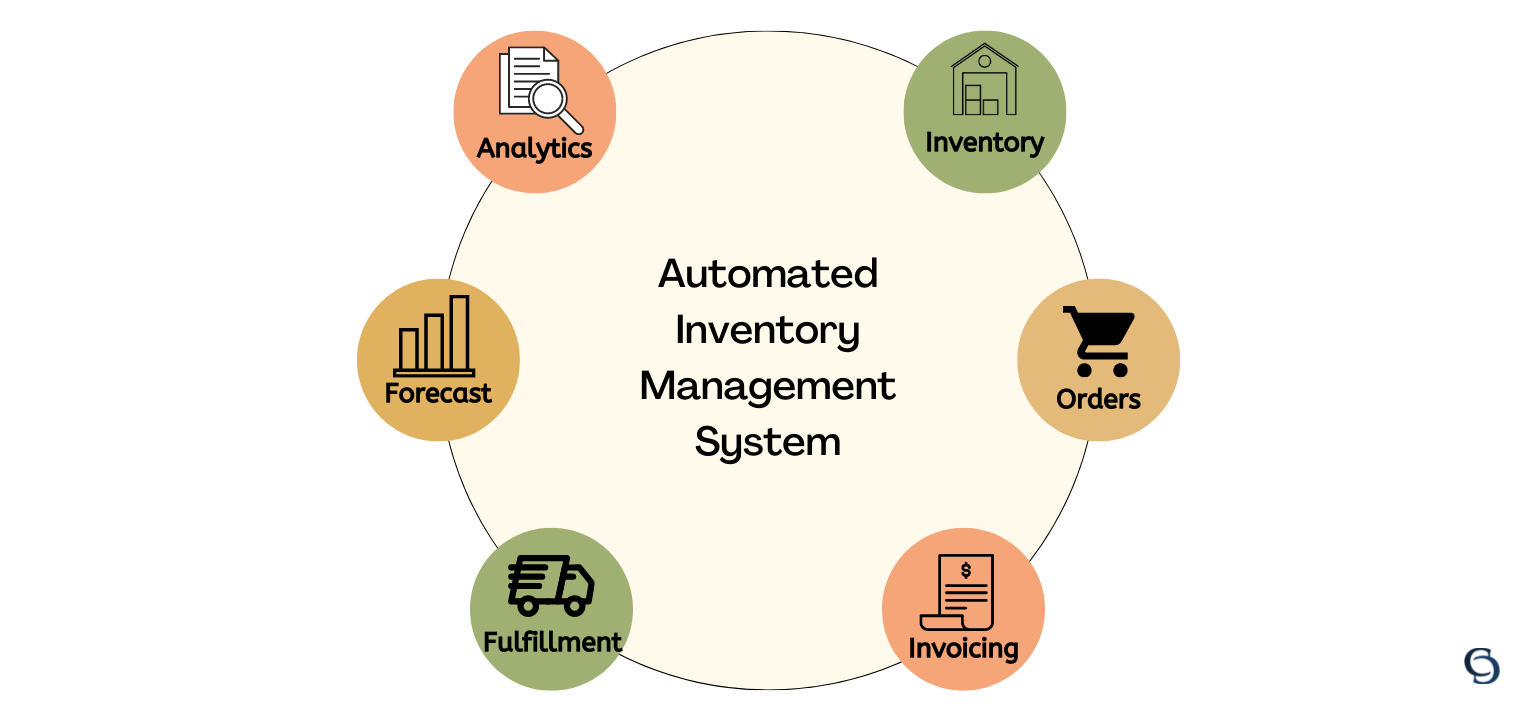
Integrating automation with your e-commerce platform streamlines stock management. It helps track inventory levels, update product listings, and manage orders faster. Automation reduces manual tasks and errors, saving time and effort.
Choosing the right tools that fit your platform is crucial. Integration should be smooth and reliable to avoid disruptions. A well-integrated system supports real-time updates and improves overall efficiency.
Check if your e-commerce platform supports automation tools. Some platforms offer built-in features or easy app connections. Verify software requirements and data formats to ensure smooth integration.
Select tools based on your business size and product range. Simple tools suit small stores, while larger operations need advanced solutions. Look for options that handle stock updates and order processing automatically.
APIs link your platform with automation software. This connection allows instant stock level updates and order syncing. Proper API setup reduces delays and keeps information accurate.
Run tests to check if automation works as expected. Monitor stock adjustments and order flows carefully. Fix any issues before going live to avoid customer problems.
Provide simple guides and training sessions for staff. Make sure everyone understands new processes and tools. Well-trained teams use automation more effectively and reduce errors.
Real-time inventory tracking is a vital tool for e-commerce businesses. It shows the exact stock levels at any moment. This helps avoid selling items that are out of stock. It also stops overstocking, which ties up money in unsold products.
With real-time tracking, businesses can update their online store immediately. This keeps customers informed and improves their shopping experience. It also helps manage orders faster and more accurately.
Real-time tracking reduces errors in stock counts. It cuts down the need for manual checks. This saves time and lowers costs. It also helps prevent lost sales due to incorrect stock information.
Inventory systems connect with sales channels and warehouses. Data updates automatically after each sale or return. This sync keeps the stock numbers accurate across all platforms.
Accurate stock data means fewer cancellations and delays. Customers get reliable information about product availability. This builds trust and encourages repeat purchases.
Automated reordering systems help e-commerce businesses keep stock levels steady without manual checks. These systems track inventory in real time and place orders automatically when stock runs low. This reduces the chance of running out of popular products and losing sales.
Automation saves time and effort for business owners and staff. It also improves accuracy by avoiding human errors in ordering. Smart reordering systems adjust based on sales trends and seasonality, ensuring the right amount of stock is always available.
The system monitors product quantities continuously. When stock hits a preset minimum, it triggers an order to suppliers. This process runs in the background, without needing daily supervision. The system uses data from past sales and current stock to decide reorder amounts.
It prevents stockouts and overstock situations. This balance saves money on storage and avoids lost sales. Automation speeds up the restocking process and reduces manual work. It also helps maintain customer satisfaction by keeping products in stock.
Select software that integrates smoothly with your e-commerce platform. Look for features like real-time tracking and customizable reorder points. The system should support multiple suppliers and offer clear reporting tools. Ease of use and reliable support are important factors too.
Managing stock well is key for every e-commerce business. Reducing stockouts and overstocks saves money and keeps customers happy. Stockouts mean lost sales and unhappy buyers. Overstocks tie up money and waste space. Automation helps balance stock levels smartly and quickly.
Automation updates stock data instantly. This stops selling items that are out of stock. It also alerts when stock is low. Real-time tracking helps reorder products just in time.
Automated tools analyze sales trends and seasons. They predict what products customers want next. Forecasting reduces errors in ordering. It prevents too much or too little stock.
Stock management systems can reorder products without delay. Set reorder points based on sales data. Automatic orders avoid running out of popular items. It also stops ordering excess stock.
Manual stock counting often causes mistakes. Automation minimizes errors by using scanners and software. Accurate data helps maintain proper stock levels. This lowers the risk of stockouts and overstocks.
Enhancing order fulfillment speed is key for any e-commerce business. Fast order processing keeps customers happy. It also helps reduce errors and delays. Stock management automation plays a big role in this. It streamlines tasks and keeps everything organized.
Automation helps track inventory in real time. This means orders are processed quickly and accurately. Faster fulfillment leads to better customer trust and repeat sales. Below are ways automation improves order fulfillment speed.
Automation systems update stock levels instantly after sales. This prevents overselling and stockouts. Employees see accurate inventory numbers at all times. It allows quick response to orders without manual checks. Real-time updates reduce waiting time for customers.
Orders are automatically routed to the right warehouse or supplier. This cuts down manual work and speeds up packing. Automation sends order details directly to shipping teams. It ensures quick preparation and dispatch of products. Faster processing means customers receive their orders sooner.
Automation guides staff to pick items faster and with fewer mistakes. Barcodes and scanners verify products before packing. This reduces errors and returns. Automated systems optimize packing sequences to save time. It helps ship orders quickly and accurately.
Stock management tools connect smoothly with shipping carriers. This allows instant label printing and tracking updates. It saves time spent on manual shipping tasks. Customers get faster notifications about their shipment status. Integration speeds up the entire fulfillment cycle.
Data-driven stock insights help e-commerce businesses manage inventory better. They use real data to make smart decisions about stock levels. This reduces waste and prevents stockouts.
Stock management automation collects and analyzes sales, trends, and customer behavior. This information guides when and how much stock to order. It saves time and cuts costs.
Automation tools track sales over days, weeks, and months. They spot which products sell fast and which slow. This helps predict future demand more accurately.
Real-time data shows current stock levels instantly. It alerts sellers about low stock before it runs out. This keeps stores ready to meet customer needs.
Data-driven systems suggest the best times to reorder stock. They also recommend order quantities based on sales trends. This avoids overstocking and shortages.
Automated data analysis reduces mistakes from manual stock checks. It ensures accurate records and timely updates. This improves overall inventory accuracy.
Good stock insights ensure popular products stay available. Customers find what they want without delays. This builds trust and encourages repeat purchases.
Scaling stock management is a key step for growing e-commerce businesses. As sales increase, managing inventory manually becomes harder and less efficient. Automation helps handle larger stock volumes with ease.
Automated systems track stock levels, sales trends, and reorder needs in real time. This reduces errors and saves time, allowing business owners to focus on growth.
Automated tools update stock counts instantly when sales happen. This keeps inventory accurate and avoids overselling or stockouts. Real-time tracking shows exactly what is available at any moment.
Systems can set reorder points for each product. When stock falls below a set level, the system triggers purchase orders automatically. This ensures shelves stay stocked without manual checks.
Many e-commerce businesses sell on various platforms. Automation syncs inventory across all channels. This prevents selling the same item twice and keeps stock consistent everywhere.
Automated reports analyze sales and stock trends. This helps decide which products to reorder or phase out. Data guides smarter inventory choices and reduces waste.
Stock management automation helps e-commerce businesses save time and reduce errors. Yet, mistakes can still happen. Avoiding common pitfalls ensures smooth operations and happier customers.
Understanding these pitfalls keeps stock levels accurate. It prevents overselling or running out of popular items. Careful planning and monitoring are key.
Wrong data affects the entire stock system. Manual entry errors can cause stock mismatches. Automate data collection and double-check inputs regularly.
Old software may lack important features. Updates fix bugs and improve performance. Keep the automation system current to avoid glitches.
Stock tools must work with sales and shipping systems. Poor integration leads to delays and errors. Test connections before full use to ensure smooth flow.
Staff must understand how automation works. Lack of training causes mistakes and slow response. Provide clear instructions and regular refreshers.
Automation helps track stock, but oversight is still needed. Regular checks prevent unexpected shortages or excess inventory. Combine automation with human review.
Stock management automation is changing fast. New trends will shape how e-commerce businesses handle their inventory. These changes will make stock tracking smarter and more efficient.
Technology will help reduce errors and save time. Businesses will keep the right amount of stock without overbuying or running out. This keeps customers happy and costs low.
AI and machine learning will predict stock needs better. They analyze sales data and customer behavior. This helps businesses plan inventory with higher accuracy. Stock levels adjust automatically to match demand.
IoT devices will track stock in real time. Sensors in warehouses send updates instantly. This reduces manual checks and errors. Business owners get live reports on inventory status anytime.
Cloud systems will offer easier access to stock data. Teams can update and view inventory from anywhere. This supports remote work and quick decision-making. It also improves collaboration across departments.
Robots will handle picking and packing tasks. This speeds up order fulfillment and lowers labor costs. Robots work well with automated stock systems to keep everything running smoothly.
Blockchain will create secure and clear stock records. It ensures data cannot be changed or lost. This builds trust between suppliers and businesses. It also helps track product origins and movements.
Stock management automation uses software to track and manage inventory in real-time. It reduces manual errors, saves time, and improves order accuracy. This technology helps e-commerce businesses maintain optimal stock levels and avoid overstocking or stockouts efficiently.
Automation updates stock data instantly when sales occur or new stock arrives. It minimizes human errors in data entry and stock counts. Accurate inventory ensures better customer satisfaction and reduces losses due to mismanaged stock or overselling.
Yes, automation analyzes sales trends and stock levels continuously. It alerts businesses to reorder stock before it runs out. It also prevents excess inventory by predicting demand, helping maintain balanced stock for smoother operations.
Typical features include real-time inventory tracking, automated reorder alerts, sales analytics, and integration with e-commerce platforms. These tools streamline inventory control and help businesses make informed purchasing decisions quickly and accurately.
Stock management automation saves time and reduces errors. It helps keep track of inventory easily. Businesses can avoid running out of products or overstocking. This leads to better customer satisfaction and fewer losses. Automation tools also provide useful data for smart decisions.
Small and large e-commerce stores both benefit from this. Start using automation to make stock handling simple and efficient. Your business will run smoother every day. Why wait to improve your stock management?