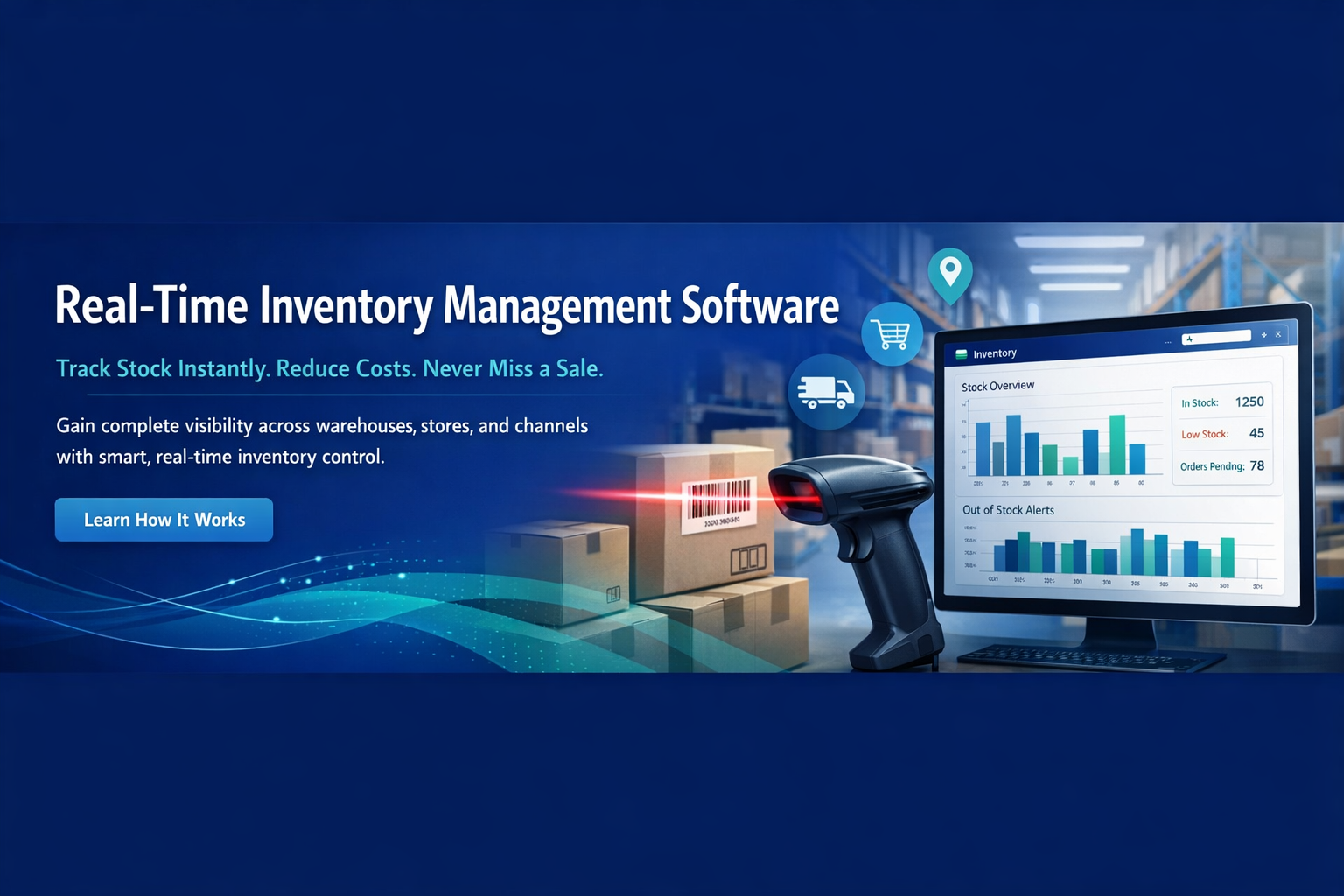
Managing your online store’s inventory can feel like a never-ending challenge. You want to keep track of every product, avoid overselling, and make sure your customers get what they ordered—without delays.
That’s where real-time inventory management software comes in. Imagine having a tool that updates your stock instantly, helps you spot trends, and prevents costly mistakes before they happen. If you’re ready to take control of your e-commerce business and boost your sales, keep reading.
This article will show you how the right software can transform your inventory process and make your daily tasks easier than ever.
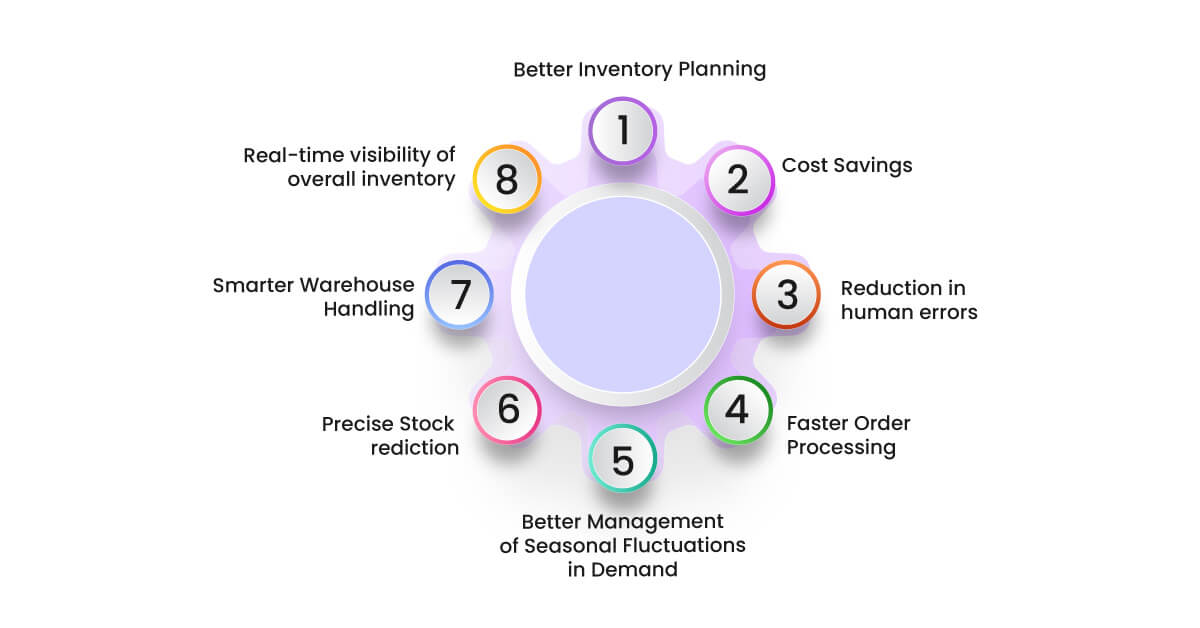
Real-time inventory management brings many benefits to e-commerce businesses. It helps track stock levels instantly. This prevents selling items that are out of stock. It also improves order accuracy and customer satisfaction.
With real-time data, businesses can make quick decisions. They can restock popular products faster. This avoids missed sales and lost customers. The system also reduces human error in inventory tracking.
Real-time inventory shows exact stock numbers. It updates automatically with each sale or return. This reduces mistakes in counting and recording. Accurate stock data means fewer surprises in orders.
Orders can be processed quickly using current inventory data. The system confirms product availability instantly. This speeds up shipping and delivery times. Customers get their items sooner and trust the store more.
Real-time tracking reveals which products sell fast. Businesses can forecast demand more accurately. This helps avoid overstocking or running out of items. Planning becomes easier with clear sales trends.
Accurate inventory reduces waste and excess stock. Businesses spend less on storage and unsold goods. Automation cuts down manual labor and errors. This lowers overall operational expenses.
Customers see real stock availability on the website. This prevents disappointment from ordering unavailable products. Quick order fulfillment builds trust and encourages repeat buying. Happy customers share positive reviews and return.
Choosing the right real-time inventory management software is vital for e-commerce success. It helps track stock, avoid overselling, and improve customer satisfaction. Knowing the key features can guide you to pick the best tool for your store.
The software must update inventory instantly. It ensures accurate stock levels across all sales channels. This feature prevents overselling and keeps customers informed.
Good software connects with various platforms like Amazon, eBay, and your online store. It syncs inventory data automatically. This saves time and reduces manual errors.
Manage orders efficiently from one place. The software should track order status and update inventory accordingly. It helps process orders faster and improves customer service.
Alerts notify you when stock runs low. This feature allows timely restocking. It prevents out-of-stock situations that can hurt sales.
Access clear reports on sales and inventory trends. Analytics help understand which products sell well. This guides better purchasing and marketing decisions.
The software should be easy to use. Simple navigation saves time and reduces mistakes. It helps all team members manage inventory smoothly.
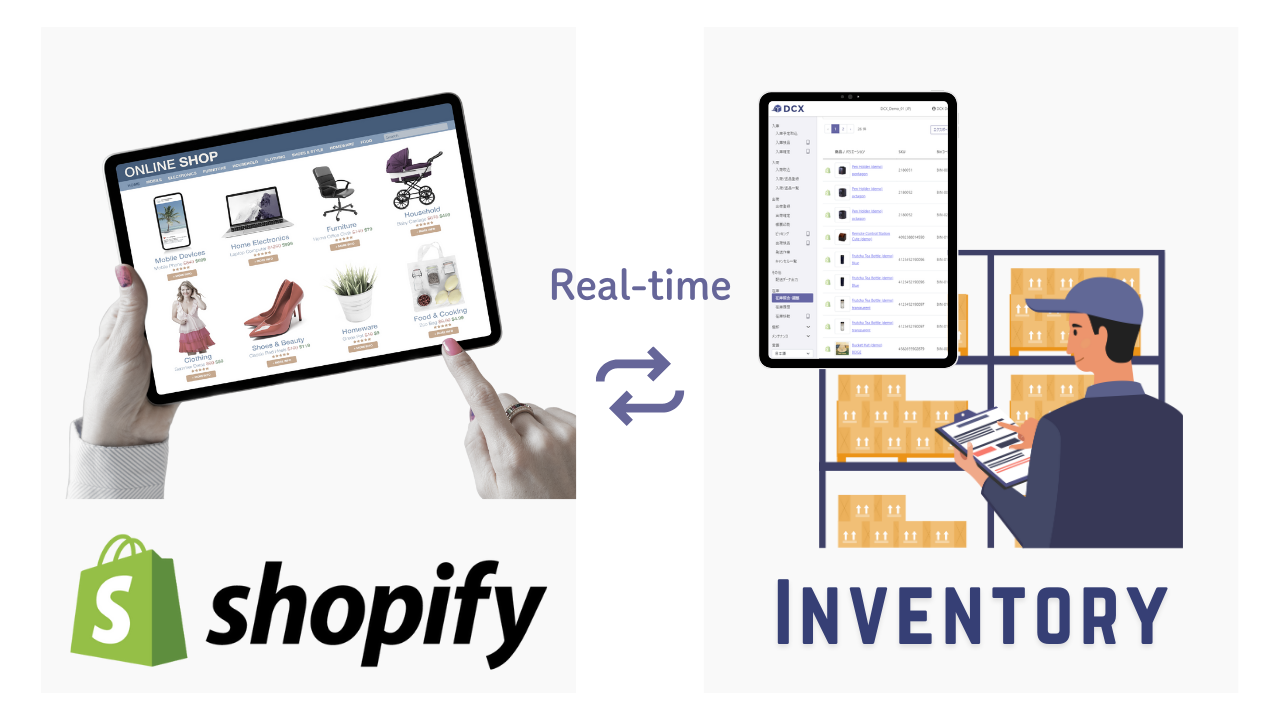
Real-time inventory management software works best when it connects directly to e-commerce platforms. Integration ensures that stock data updates instantly across all sales channels. This connection prevents overselling and keeps customers informed about product availability.
Such integration saves time. No manual updates needed. Inventory levels, orders, and shipments sync automatically. This reduces errors and improves the shopping experience.
Inventory numbers update instantly after each sale. This synchronization keeps stock accurate everywhere. It stops selling products that are out of stock. Customers see real stock levels, avoiding disappointment.
Orders from online stores flow directly into the inventory system. This automation speeds up order handling. It helps staff prepare shipments faster. Less manual work means fewer mistakes.
The software connects to many e-commerce platforms at once. It manages stock for websites, marketplaces, and physical stores together. This support helps sellers keep all channels balanced.
Most inventory tools offer simple integration with popular platforms. Setup often requires few clicks or steps. This ease allows sellers to start managing inventory quickly.
Improving order accuracy is key for any e-commerce business. Mistakes in orders can lead to unhappy customers and lost sales. Real-time inventory management software helps reduce errors. It tracks stock levels instantly and updates them across all sales channels.
This software ensures the right products are available and ready to ship. It helps pick, pack, and ship orders correctly. Accurate orders build trust and encourage customers to return.
The software updates stock numbers immediately after a sale or return. This prevents selling items that are out of stock. It also stops overselling popular products. Accurate stock levels reduce order mistakes and backorders.
Barcode scanning speeds up the picking process. It confirms the correct item is packed for each order. This reduces human errors during packing. Scanning also updates inventory automatically, keeping records precise.
The system sends instant alerts when stock runs low. This helps staff reorder products before they run out. Keeping enough stock prevents order delays and cancellations. Customers receive their orders on time, increasing satisfaction.
Verification tools cross-check orders against inventory data. They catch discrepancies before shipping. This step ensures customers get exactly what they ordered. It lowers return rates and increases trust.
Reducing stockouts and overstocks is vital for e-commerce success. Stockouts lead to lost sales and unhappy customers. Overstock ties up money and storage space. Real-time inventory management software helps balance supply and demand.
This software tracks stock levels instantly. It updates data as sales happen. This lets businesses reorder products before running out. It also prevents ordering too much stock.
Real-time software shows exact stock counts. It removes errors from manual tracking. This accuracy stops unexpected stockouts. Businesses know what items need restocking fast.
The software analyzes sales trends daily. It predicts future product needs with data. This helps avoid excess stock buildup. Forecasting keeps inventory at ideal levels.
Inventory software sends alerts when stock is low. It triggers purchase orders automatically. This reduces delays in restocking products. Automated alerts keep shelves stocked and ready.
Customers find products available when needed. No more disappointment from empty shelves. Reliable inventory boosts shopper trust and loyalty.

Real-time inventory management software plays a big role in improving customer experience. It helps online stores keep track of stock instantly. Customers get accurate information about product availability. This reduces frustration from ordering out-of-stock items.
Fast updates on inventory mean customers see what is really available. This builds trust and encourages repeat shopping. The software also helps stores avoid overselling, which can delay orders and upset buyers.
Customers can see product availability as they shop. The inventory system updates immediately after each sale. This stops confusion about whether an item is still in stock. Shoppers feel confident ordering products they want.
Real-time data speeds up order handling. Staff know exactly what items are ready to ship. This lowers wait times for customers. Quick delivery improves satisfaction and can lead to positive reviews.
The software helps avoid mistakes like selling unavailable items. Orders get canceled less often. Fewer cancellations mean happier customers and fewer complaints. This keeps the shopping experience smooth and reliable.
Automating replenishment processes is a key part of real-time inventory management software for e-commerce. It helps stores keep the right stock levels without constant manual checks. Automation reduces errors and saves time. It allows businesses to focus more on sales and customer service.
With automated replenishment, the system tracks product quantities continuously. It sends alerts or creates orders automatically when stock runs low. This keeps shelves stocked and avoids missed sales due to out-of-stock items.
The software monitors sales and inventory data in real time. It uses this data to predict when products need restocking. The system then triggers purchase orders or internal transfers. This process happens without human intervention.
Automation reduces human errors like overordering or stockouts. It speeds up the restocking process and improves cash flow. Businesses avoid excess inventory and reduce storage costs. The software helps maintain the right stock levels at all times.
Settings depend on product type and sales patterns. Businesses can set reorder points and order quantities. The software adapts to seasonal changes and demand spikes. Custom settings ensure replenishment fits each store’s needs.
Using analytics for demand forecasting helps e-commerce businesses plan better. It predicts future sales based on past data and trends. This reduces overstock and stockouts, saving money and improving customer satisfaction.
Real-time inventory management software uses data to track sales patterns. It analyzes seasonal trends, customer behavior, and market changes. This insight helps businesses keep the right products at the right time.
Demand forecasting uses data to estimate how much product customers will buy. It looks at past sales, market trends, and other factors. This helps businesses prepare stock and avoid shortages or excess inventory.
Analytics tools process large amounts of data quickly. They find patterns that humans might miss. This leads to more precise predictions and better stock management.
Accurate demand forecasting reduces waste and lost sales. Stores can offer popular items without overstocking. Customers get what they want, and businesses save on storage costs.
Important data includes sales history, customer trends, and seasonal changes. Inventory levels and supplier delivery times also matter. Combining these points improves forecast results.
Mobile access and remote management bring flexibility to e-commerce inventory control. These features let store owners and managers check stock and update orders from anywhere. No need to be tied to a desktop or office.
Accessing inventory data on mobile devices saves time. It allows quick decisions on stock replenishment and order fulfillment. This helps prevent overselling or running out of products.
Mobile apps let users update stock levels instantly. Scanning barcodes or entering quantities happens right on the smartphone or tablet. The system syncs changes in real time, keeping data accurate.
Managers can monitor inventory from any location. Real-time alerts notify them about low stock or delays. This helps avoid disruptions and keeps sales running smoothly.
Mobile access connects warehouse staff, sales teams, and managers. Everyone shares the same up-to-date information. This reduces errors and speeds up order processing.
Remote management includes secure login and permissions. Only authorized users can view or change inventory data. This protects sensitive information and prevents mistakes.
Choosing real-time inventory management software for e-commerce means weighing costs against benefits. Understanding the expenses involved and the return on investment (ROI) helps businesses make smart decisions. Knowing what impacts cost and how to measure ROI ensures better budgeting and planning.
Initial costs often include software purchase or subscription fees. Setup charges and integration with existing systems can add to expenses. Ongoing costs cover updates, support, and possible extra features. Some software has tiered pricing based on the number of products or users.
Real-time inventory software reduces manual errors and saves time. Faster stock updates improve order processing and customer satisfaction. Efficient inventory management lowers holding costs and limits overstock or stockouts. These savings contribute to a quicker return on investment.
Calculate ROI by comparing cost savings and revenue gains to software expenses. Track metrics like reduced stock discrepancies and improved order accuracy. Increased sales from better stock availability also boost ROI. Regular reviews help adjust strategies and maximize benefits.
Choosing the right real-time inventory management software can improve e-commerce operations. These tools track stock levels, update sales data, and reduce errors instantly. This helps sellers avoid overselling and keep customers happy.
Here are some top software options in 2024. Each has unique features and fits different business needs.
TradeGecko offers a user-friendly platform for small and medium businesses. It syncs inventory across multiple sales channels. The software updates stock levels automatically after each sale. It also integrates well with popular accounting tools.
Zoho Inventory is ideal for growing e-commerce stores. It provides real-time tracking and order management. The system supports multi-channel selling and shipping management. It helps reduce manual work and keeps data accurate.
Cin7 suits businesses with complex inventory needs. It connects inventory, sales, and supply chain in one platform. The software supports barcode scanning and warehouse management. It also offers strong reporting tools for decision-making.
Sellbrite focuses on multi-channel sellers. It allows easy listing across marketplaces like Amazon and eBay. The software updates inventory instantly after sales. It helps prevent stockouts and overselling.
DEAR Systems combines inventory, purchasing, and sales in one solution. It provides detailed inventory insights and batch tracking. The platform supports integration with e-commerce platforms and accounting software. It works well for businesses needing detailed inventory control.
Implementing real-time inventory management software needs a clear plan. A good process avoids mistakes and saves time. Follow simple steps to set up the system smoothly. These steps help keep your inventory accurate and your e-commerce running well.
Start by checking how your inventory is managed now. Note problems like delays or errors. Understanding your needs guides the software choice. Look for features that fix your current issues.
Select software that fits your business size and type. Check if it integrates with your online store platform. Make sure it supports real-time updates. Test the software for ease of use.
Clean and organize your inventory data before importing. Remove duplicates and correct errors. Accurate data helps the software work better. Back up your data to avoid loss.
Teach your staff how to use the new system. Provide simple guides and hands-on practice. Ensure everyone understands the benefits and functions. Regular training keeps skills sharp.
Watch how the software performs after launch. Track inventory accuracy and update speed. Fix issues quickly to avoid disruptions. Make adjustments based on team feedback.
Real-time inventory management software tracks stock levels instantly. It updates inventory as sales occur. This helps e-commerce businesses avoid stockouts and overstock. It improves order accuracy and customer satisfaction by providing current stock data.
It streamlines stock tracking and reduces manual errors. Real-time updates improve order fulfillment speed. It helps prevent overselling and lost sales. Businesses gain better demand forecasting and inventory control, boosting profitability.
Yes, most real-time inventory software integrates with popular platforms like Shopify and WooCommerce. Integration allows automatic syncing of orders and stock data. This ensures consistent inventory information across all sales channels.
Absolutely, it manages inventory across multiple sales channels simultaneously. This avoids stock discrepancies and overselling. Multi-channel support enables unified reporting and better stock allocation.
Real-time inventory software helps e-commerce businesses stay organized. It reduces errors and saves time every day. Stock levels update instantly, so you avoid selling items out of stock. You can track products easily and plan for restocking. This software supports better decisions and improves customer satisfaction.
Choosing the right system fits your business needs and budget. Simple tools make managing inventory less stressful. Real-time updates keep your store running smoothly and customers happy. Consider using this software to keep your e-commerce store efficient and reliable.