
Are you tired of juggling multiple sales channels and losing track of your inventory? Managing orders across different platforms can quickly become overwhelming and costly if mistakes happen.
What if you could automate the syncing of your inventory and orders, saving you time and preventing costly errors? This article will show you how inventory and order syncing automation can transform your multichannel selling experience, helping you stay organized, boost sales, and keep your customers happy.
Keep reading to discover simple, effective solutions designed just for sellers like you.
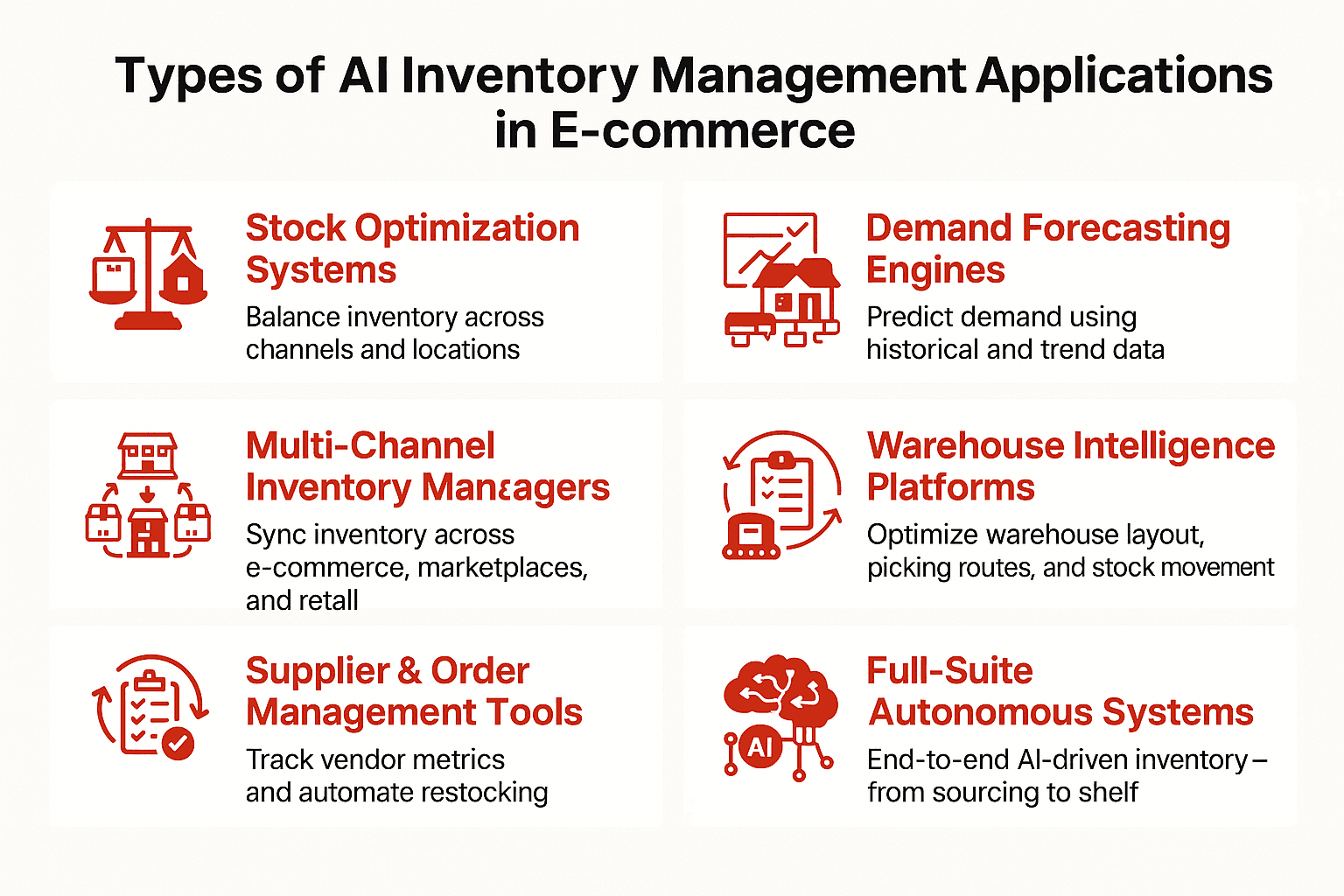
Syncing inventory across channels helps sellers manage stock efficiently. It reduces errors and keeps product availability accurate. This process supports smooth sales and improves customer satisfaction. Sellers can avoid overselling or running out of stock.
Automated syncing saves time and lowers manual work. It updates inventory levels instantly on all platforms. This helps sellers focus on growing their business. The benefits of syncing inventory reach beyond just accuracy.
Inventory syncing keeps stock counts updated everywhere. It stops overselling by showing real-time product availability. Accurate stock levels prevent order cancellations and unhappy customers.
Automation removes the need for manual updates. Sellers save hours spent on stock management. Faster updates mean quicker responses to demand changes.
Customers see correct product availability on every channel. They avoid buying items that are out of stock. This builds trust and encourages repeat purchases.
Manual stock updates can cause mistakes and confusion. Syncing automation reduces these errors. It ensures data stays consistent across platforms.
Syncing inventory helps match orders with actual stock. It speeds up processing and shipping. Sellers handle orders smoothly without delays or backorders.
Managing sales across multiple channels is not easy. Sellers face many common challenges that slow down growth and cause errors. These problems often come from trying to keep inventory and orders synced without proper tools.
Understanding these challenges helps sellers find better solutions. It also improves customer satisfaction and saves time. Here are some of the most common issues in multichannel selling.
Inventory levels change fast. Selling the same product on different platforms can cause stock confusion. Without real-time updates, sellers risk overselling or running out of stock. This leads to unhappy customers and lost sales.
Handling orders from many channels can create mistakes. Manual entry of orders may cause wrong shipments or missed orders. This damages the seller’s reputation and wastes resources.
Updating inventory and processing orders manually takes a lot of time. Sellers must check each platform one by one. This lowers efficiency and increases chances of errors.
Data spread across platforms is hard to track. Sellers struggle to get a clear view of their stock and sales. Without central data, decision-making becomes slow and less accurate.
As sales channels grow, managing them becomes more complex. Manual syncing can’t keep up with increased demand. This limits business growth and causes stress for sellers.
Managing orders from many sales channels can be tough. Mistakes happen. Orders get mixed up. Shipping delays occur. Automation helps fix these problems. It makes order management easier and faster. It saves time and reduces errors. Sellers spend less time on manual tasks. They focus more on growing their business.
Automation keeps inventory levels accurate across platforms. When a product sells, stock numbers update immediately. This prevents overselling and stockouts. Sellers know exactly what is available. Customers get reliable information on product availability.
All orders from different channels appear in one system. Sellers do not switch between platforms. They manage everything in one place. This reduces confusion and speeds up order handling. It makes tracking and fulfilling orders simpler.
Automation sends updates to customers automatically. Buyers receive alerts when orders ship or deliver. This improves communication and trust. It lowers customer questions about order status.
Manual order entry can cause mistakes. Automation reduces human errors by handling data automatically. Orders are processed correctly the first time. This leads to fewer returns and complaints.
Automation cuts down time spent on repetitive tasks. Sellers save money on labor and shipping errors. The process becomes more efficient. It frees up resources for other important activities.
Choosing the right syncing software is key for multichannel sellers. It helps keep inventory and orders updated across all platforms. This avoids mistakes like overselling or stockouts. Good syncing software saves time and reduces stress. It lets sellers focus on growing their business.
Check if the software works with your sales channels. It should support your online stores and marketplaces. More channels mean more sales chances. The software must sync data from all of them.
The software should be easy to set up and use. A simple interface helps sellers manage orders faster. Complex tools can cause errors and slow down work. Clear instructions and support are important.
Choose software that updates inventory and orders instantly. Real-time syncing prevents selling products that are out of stock. It keeps customers happy and avoids cancellations. Fast updates improve business reliability.
Look for automation options that save manual work. Automatic order import and stock updates reduce errors. Some software can alert you about low stock. Automation makes daily tasks easier and faster.
Consider the cost and if the software fits your budget. Some tools charge by sales volume or number of channels. Pick software that grows with your business. Avoid paying for features you don’t need now.
Real-time inventory updates are essential for sellers managing multiple sales channels. They keep stock levels accurate across all platforms. This helps avoid overselling or running out of stock. Fast, precise updates improve customer trust and boost sales.
Instant syncing means every sale or return updates inventory immediately. No delays or manual entries needed. This saves time and reduces errors, making your business run smoother.
Overselling happens when stock numbers are not current. Real-time updates stop this by adjusting quantities right after a sale. Customers see only available items. This lowers cancellations and unhappy buyers.
Customers expect accurate stock info online. Real-time syncing shows true availability. This builds confidence and encourages repeat purchases. Quick updates mean fewer surprises for buyers.
Managing inventory across many platforms is hard. Real-time updates automate this process. Sellers save hours of manual work. Automation reduces mistakes and keeps data consistent everywhere.
Real-time inventory syncing works best with order management software. Orders trigger instant stock changes. This ensures every channel stays updated. It simplifies tracking and reporting tasks.
Managing inventory across many sales channels can be tough. Sellers often face overselling or stockouts. Both lead to unhappy customers and lost sales. Inventory and order syncing automation helps fix these problems.
Automation updates stock levels instantly on all platforms. It stops overselling by showing only available items. This keeps customers informed and orders accurate.
Automation tracks stock changes as they happen. Each sale adjusts inventory counts immediately. This keeps all sales channels updated. Sellers avoid selling products they do not have.
Orders from all channels appear in one system. This prevents double-selling the same product. Sellers can see stock and orders in one place. It makes managing inventory easier and faster.
The system sends alerts when stock runs low. Sellers can reorder before running out. This reduces the chance of stockouts. Customers find the products they want in stock.
Integrating marketplaces and platforms is key for sellers managing multiple sales channels. It helps keep inventory and orders updated across all platforms. This avoids mistakes like selling products that are out of stock. Automation tools make this process smooth and fast.
With integration, sellers save time by syncing stock levels automatically. Orders from different marketplaces appear in one place. This reduces manual work and errors. Businesses can focus more on growth and customer service.
Many sellers use more than one marketplace. Connecting these marketplaces means inventory updates instantly across all channels. For example, a sale on one marketplace lowers stock on every platform. This prevents overselling and lost sales.
E-commerce platforms like Shopify or WooCommerce need syncing with marketplaces. Linking these systems keeps product details accurate everywhere. Changes in price, description, or stock reflect quickly on all sites. This keeps customers informed and boosts trust.
APIs are tools that let software talk to each other. They enable smooth data exchange between marketplaces and platforms. APIs update inventory and orders in real time. This fast connection improves order accuracy and customer satisfaction.
Automation for order routing and fulfillment helps sellers manage orders efficiently. It directs orders to the right warehouse or fulfillment center. This process reduces delays and errors, improving customer satisfaction.
By automating these tasks, sellers save time and reduce manual work. It also ensures that stock levels stay accurate across all sales channels. Automation supports smooth operations in a busy selling environment.
Automated order routing uses set rules to send orders to the best location. The system checks stock availability and shipping costs. It chooses the nearest or fastest warehouse to fulfill the order. This reduces shipping times and costs for sellers and buyers.
Automation speeds up the picking, packing, and shipping process. It decreases mistakes caused by manual entry. The system updates inventory levels instantly after an order ships. Sellers can track orders easily through automated notifications.
Automation connects all sales platforms in one system. Orders from marketplaces, websites, or physical stores sync seamlessly. This reduces the risk of overselling or stockouts. Sellers maintain control with real-time data across channels.
Inventory and order syncing automation has a strong effect on customer satisfaction. It ensures that product availability is accurate across all sales channels. Customers receive the right products on time. This builds trust and encourages repeat purchases.
Errors in stock levels often lead to canceled orders or delays. Automation reduces these mistakes. It updates inventory instantly after each sale or restock. Buyers see the real-time stock status, preventing disappointment.
Automation speeds up the order handling process. Orders are sent directly to the warehouse or supplier. This cuts down manual work and lowers the chance of errors. Customers get their items faster, which improves their shopping experience.
Automated syncing helps avoid out-of-stock situations. It alerts sellers to low inventory levels early. Sellers can restock before products run out. Customers find what they want available every time they shop.
Automation keeps customers informed about their orders. They receive updates on shipping and delivery status. Clear communication reduces anxiety and builds confidence. Happy customers are more likely to leave positive reviews.
Customers expect the same service on all platforms. Automation maintains consistent inventory data everywhere. This prevents confusion from differing stock levels or prices. A smooth experience increases customer loyalty and satisfaction.
Scaling operations can be hard for multichannel sellers. Managing inventory and orders across many platforms takes time. Syncing automation helps by connecting all sales channels. It saves effort and reduces errors. Sellers can focus on growing their business instead of manual updates.
Automation keeps stock levels accurate everywhere. It updates orders instantly. This keeps customers happy with fast, reliable service. Syncing tools handle thousands of products without slowing down. They make it easier to add new channels or products.
Automation updates inventory in real time. No need to check each platform separately. This stops overselling and stockouts. Orders flow smoothly from one system to another. Time spent on manual work drops sharply. Teams can focus on other tasks. Faster updates mean quicker shipping and happier buyers.
Growing sellers get more orders every day. Manual order processing slows down and causes mistakes. Automation processes orders instantly and correctly. It tracks every sale, payment, and shipment. This helps avoid delays and confusion. Sellers can handle busy seasons with less stress. Automation keeps operations steady and reliable.
Adding new marketplaces usually means extra work. Syncing automation connects new channels quickly. Inventory and orders sync automatically across platforms. Sellers do not need to learn new systems. This smooth expansion saves time and lowers costs. It supports business growth without extra headaches.
Tracking key metrics helps sellers understand how well their inventory and order syncing automation works. These numbers show what needs improvement and what works well. Monitoring these metrics leads to better decisions and smoother operations across sales channels.
This metric shows how close your listed inventory matches actual stock. Accurate inventory prevents overselling and missed sales. Keeping this number high helps maintain customer trust and reduces order errors.
Order fulfillment time measures how fast orders move from placement to shipment. Faster fulfillment improves customer satisfaction and boosts repeat sales. Tracking this metric highlights bottlenecks in your process.
Sync error rate counts how often data fails to update correctly between systems. A low error rate means your automation runs smoothly. High errors cause inventory mismatches and delayed shipments.
Monitor sales volume and revenue from each channel separately. This helps identify your best and worst performing platforms. Focus efforts on channels that bring the most profit and reduce issues on weaker ones.
Return rate shows the percentage of orders customers send back. High returns may signal product or shipping problems. Tracking returns helps improve product listings and customer service.

Multichannel selling is growing fast. Automation helps sellers manage inventory and orders easily. The future holds many changes to make this process smarter and faster. Sellers will face new tools and technologies that improve syncing and reduce mistakes. These trends will shape how businesses sell on many platforms with less effort.
AI will analyze sales data to predict inventory needs. It helps avoid overstock and stockouts. AI can also spot errors in orders quickly. This leads to smoother operations and happier customers.
Faster data syncing will become standard. Sellers will see instant updates across all channels. This reduces delays and confusion. Real-time updates keep stock accurate everywhere.
Automation tools will support more sales channels. This includes emerging marketplaces and social platforms. Wider integration means sellers can reach more customers easily. Managing orders from one place will get simpler.
Voice commands will help manage inventory hands-free. Chatbots will answer order questions instantly. These tools save time and reduce errors. They offer quick support without extra staff.
Automation will provide deeper insights on sales trends. Sellers can see which products sell best and where. This helps plan stock and marketing strategies. Data-driven decisions will improve business growth.
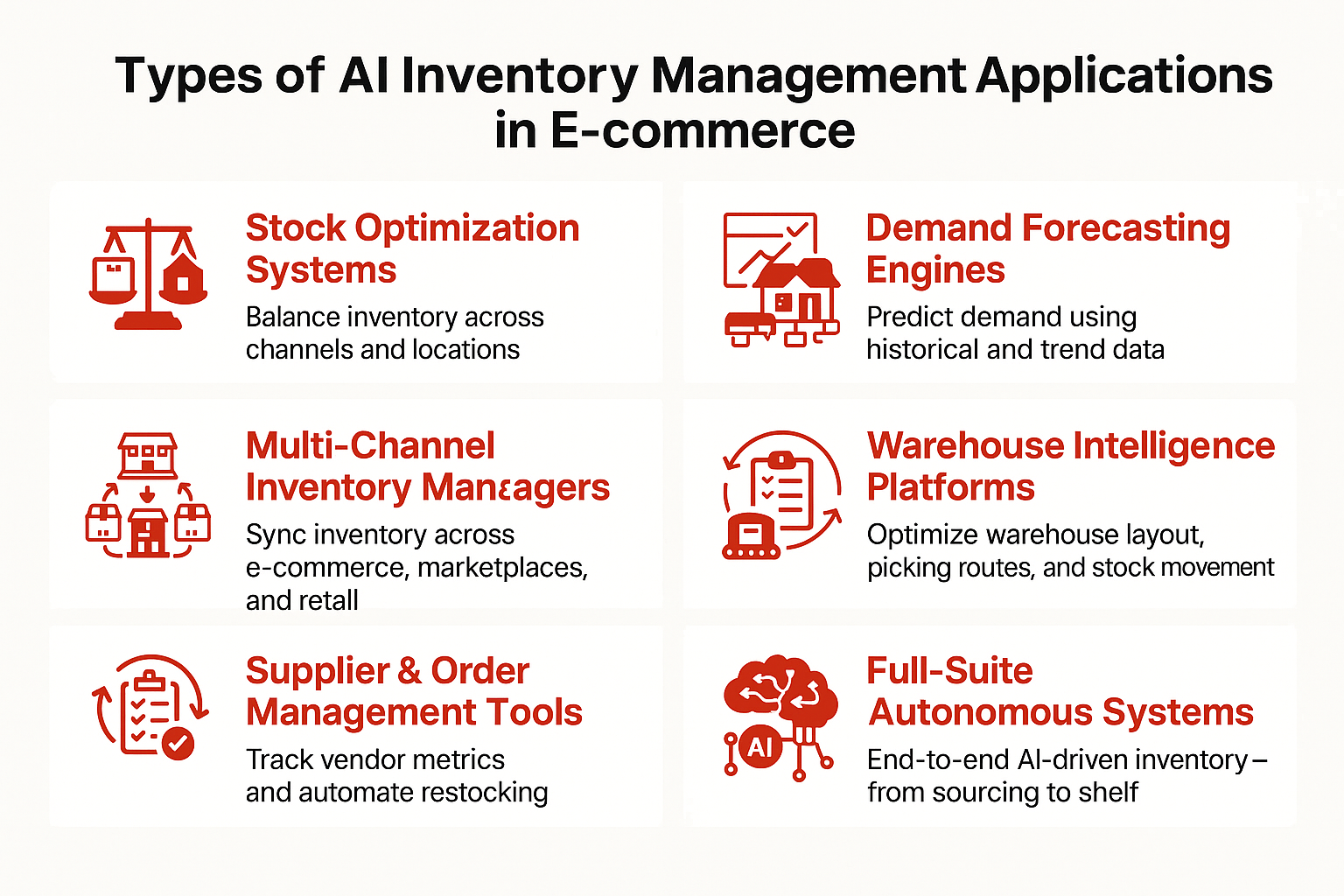
Inventory and order syncing automation automatically updates stock levels and order details across multiple sales channels. It reduces manual errors, saves time, and ensures accurate product availability. This streamlines multichannel selling, improves customer experience, and helps sellers avoid overselling or stockouts.
Syncing keeps inventory and orders consistent across platforms, preventing discrepancies. It helps sellers manage stock efficiently and fulfill orders faster. This leads to improved customer satisfaction and reduces returns caused by inaccurate stock information. Overall, it boosts sales and operational efficiency.
Yes, automation tools integrate with various marketplaces like Amazon, eBay, and Shopify. They sync inventory and orders in real-time across all channels. This centralized management simplifies operations and prevents errors caused by manual updates across different platforms.
Absolutely. Automated syncing updates stock levels instantly after each sale. It prevents overselling by showing accurate inventory availability across all channels. This protects the seller's reputation and minimizes cancellations or refunds due to stock shortages.
Syncing inventory and orders saves time and reduces mistakes. Sellers can manage products easily across many channels. Automation helps keep stock levels accurate and orders on track. This leads to happier customers and fewer canceled sales. Simple tools make managing multiple stores less stressful.
Staying organized helps sellers grow their business steadily. Embracing syncing automation is a smart step for sellers today.