In today’s fast-changing online market, running an e-commerce business in Bangladesh means facing many challenges. You need to manage orders, update inventory, handle marketing, ship products, and track your sales—all while trying to grow. Many business owners feel overwhelmed and tired. But there’s good news: e-commerce automation can change everything. Imagine running your online store with less stress, fewer mistakes, and more profit. This is not just a dream; it’s possible, and many smart Bangladeshi entrepreneurs are already doing it.
Running an online store is not just about putting products on a website. Each day, you answer customer questions, check payments, manage returns, handle late shipments, and try to post on social media. If you are doing all these things manually, it is easy to feel exhausted or even burned out.
Your attention gets divided, and small mistakes can quickly become big problems—like sending the wrong item to a customer or missing an important sales opportunity.
But as more people in Bangladesh shop online, competition is growing fast. Local shoppers expect quick service, accurate orders, and fast replies. If your business cannot keep up, you risk losing sales to faster or better-organized stores. The good news is that e-commerce automation tools are now easier to use, more affordable, and built for local needs.
Even if you run a small online shop from your home, you can now use the same smart tools as big companies.
Some Bangladeshi store owners have already started using automation. They say it feels like hiring a team of helpers who work 24 hours a day, never complain, and never make simple mistakes. These business owners can spend more time finding new products, planning marketing, or even taking a real break.
Automation gives you back your time and helps your business grow.
Let’s see how automation works and how you can use it to change the way you run your online store.
E-commerce automation means using software and smart tools to do tasks that you would normally do by hand. These tasks can include sending out marketing emails, updating product stock, processing orders, and even handling refunds. When you automate your e-commerce workflow, your business runs smoother and faster.
For example, instead of checking your store every hour to see if stock is running low, automation software can track your inventory and send you alerts or even reorder products for you. This not only saves you time but also helps you avoid costly mistakes, like selling products you don’t have in stock.
Let’s break down what e-commerce automation looks like:
Automatic Emails: When someone places an order, the system sends a thank-you email right away. If someone abandons their cart, an email reminds them to finish buying.
Real-Time Inventory Updates: If you sell a product, the stock count updates instantly, so you never accidentally oversell.
Order Processing: Orders move automatically from “pending” to “processing” to “shipped” based on payment and delivery status.
Customer Service Bots: Basic customer questions—like “Where is my order?”—can be answered by chatbots 24/7.
Return Handling: Refunds and returns can be approved and tracked automatically according to your policy.
Bangladesh’s e-commerce sector is growing rapidly. According to a 2022 report, the market is expected to reach over $3 billion by 2025. As competition increases, automation becomes more important for staying ahead. With automation, you can:
Serve more customers without hiring a big team
Respond faster to market changes
Avoid common errors that slow down your business
Focus on growth instead of boring, repetitive work
In a country where online shopping is still new for many people, fast and reliable service is key to winning customer trust. Bangladeshi shoppers often compare prices and delivery times before choosing where to buy. If your store can handle more orders with fewer mistakes, you will stand out from the crowd.
Many top global stores on platforms like Amazon and Walmart rely on automation to handle thousands of orders daily. Now, Bangladeshi businesses can use the same smart strategies.
Think about what happens if you get 10 orders in a day—maybe you can handle it manually. But if you get 100 orders, it’s almost impossible without automation. This is why scaling your business is nearly impossible without smart systems.
Non-Obvious Insight: In Bangladesh, power cuts and slow internet can interrupt manual work. Automation software, especially cloud-based solutions, keeps running even if your device is offline. This means your customers are never left waiting for basic updates or confirmations.
Automating your e-commerce store is like hiring a silent, super-efficient worker who never sleeps. Here’s how it helps you win:
Saves Time: Automation tools handle tasks like sending order confirmations, updating stock, and replying to common customer questions. This means you spend less time on routine work and more time on strategy.
For example, if you manually process every order, you may spend several minutes checking payments, sending emails, and updating inventory. Automation does all of these in seconds, freeing up hours each day.
Let’s say you get 30 orders daily. If each order takes 5 minutes to process, that’s 150 minutes (2.5 hours) a day. Automation can cut this down to just a few minutes for checks, so you gain back almost 2 hours daily.
Reduces Errors: Manual work leads to mistakes, like shipping the wrong product or missing an order. Automation checks everything carefully and follows your rules, so errors drop.
If you have 1% error in orders, that means for every 100 orders, one customer gets the wrong item or no item at all. Over a month, that’s 30 unhappy customers. Automation keeps your process consistent and reduces complaints.
Many Bangladeshi stores face confusion with cash-on-delivery (COD) orders. Automation can confirm COD orders by SMS or phone before shipping, cutting fake orders and saving money on failed deliveries.
Boosts Profits: With fewer mistakes and faster processes, customers are happier and more likely to buy again. Automation can also help you find and target your best customers, so you sell more with less effort.
Happy customers leave better reviews, return to shop again, and tell their friends. Automated follow-up emails and loyalty offers can increase repeat purchases by 20–30%.
Automation tools can also suggest related products, increasing your average order value.
Real Example: A mid-sized online clothing store in Dhaka used to spend 4 hours daily checking orders and updating inventory. After automating these tasks, the owner saved over 100 hours per month and saw a 20% increase in repeat sales.
Another Example: A beauty product retailer in Chittagong set up automated abandoned cart emails and recovered 18% of lost sales within three months—without spending any extra on marketing.
Non-Obvious Insight: Automation helps with seasonal spikes, like Eid or New Year sales, by handling large order volumes without needing to hire extra staff for just a few days or weeks.
Let’s look at the main parts of your business where automation makes a big difference. Each area offers unique tools and strategies.
Marketing is the lifeblood of online sales. But sending emails, posting on Facebook, running ads, and following up with leads takes time. Here’s how automation helps:
Email Campaigns: Set up automatic welcome emails, abandoned cart reminders, and product recommendations. For example, if a customer leaves without buying, your system can send a reminder or a special offer.
You can also create “win-back” campaigns for customers who haven’t bought in a while—these emails can be triggered automatically after 30 or 60 days of no purchase.
Advanced systems can send birthday offers or seasonal discounts based on customer profiles.
Social Media Posting: Schedule posts on Facebook, Instagram, and other channels. Automation tools can even suggest the best time to post for more engagement.
For example, you can plan a week’s worth of posts in one sitting and let the tool publish them at the right time.
Some tools allow you to respond to comments and direct messages automatically, helping you reply faster to customer questions.
Customer Segmentation: Divide your customers into groups (like new vs. repeat buyers) and send them targeted messages.
Segmentation allows you to send exclusive deals to high-value customers, or special coupons to first-time buyers.
You can also create segments for location, which is useful in Bangladesh for targeting customers in Dhaka differently from those in Sylhet or Chittagong.
Ad Management: Some tools adjust your ad spend automatically based on sales performance, so you don’t overspend.
For instance, if an ad is performing well, the system can increase the budget. If not, it reduces spending.
This is especially helpful during big sales campaigns or festivals, when manual ad management is overwhelming.
Insight: Many Bangladeshi businesses forget to automate follow-up emails, which can recover up to 15% of lost sales from abandoned carts.
Example: A small electronics store in Dhaka set up a three-step abandoned cart email sequence. The first email reminds the customer, the second offers a discount, and the third highlights bestsellers. This simple automation brought back 12% of lost sales each month.
Advanced Strategy: You can automate cross-sell and up-sell offers. When someone buys a mobile phone, send them a follow-up email suggesting screen protectors or headphones.
Non-Obvious Insight: Use automation to A/B test different email subject lines or offers. The system can send two versions and pick the best one for future emails, improving your results without extra effort.
Processing orders quickly and accurately is key to customer happiness. Manual processing is slow and risky. Automation lets you:
Auto-confirm orders: As soon as payment is made, your system sends a confirmation to the buyer.
This reduces customer anxiety and builds trust, especially for new shoppers.
For COD orders, you can send a confirmation SMS or call automatically to verify the order before shipping.
Split orders: If you sell from multiple warehouses, automation decides the best location to ship from.
If one warehouse is out of stock, the order can be routed to another location automatically.
This is helpful for businesses selling on both Daraz and their own website, where inventory may be spread across different places.
Flag risky orders: Systems can detect suspicious orders and hold them for review.
For example, if someone places multiple high-value orders in a short time or uses mismatched addresses, the system can alert you.
You can set custom rules, like flagging orders above a certain value or those from new customers.
Update order status: Customers get automatic updates as their package moves from “processing” to “shipped” to “delivered.”
This reduces customer service calls and improves satisfaction.
You can also automate sending tracking numbers once the package is shipped.
Practical Tip: Connect your payment gateway and order system, so refunds are handled automatically—no more manual checks.
Another Example: An online bookstore in Rajshahi integrated their payment and order system, so canceled orders triggered instant refunds and stock updates, reducing customer complaints by 60%.
Non-Obvious Insight: You can automate sending review requests after delivery, increasing your product ratings and trust. Most stores in Bangladesh miss this easy win.
Shipping is a complex part of online retail. Delays or mistakes can hurt your reputation. With automation, you can:
Print shipping labels: Automatically generate and print labels as soon as an order is ready.
Batch printing saves hours if you have many orders at once.
You avoid mistakes from manual address entry, which is common in Bangladesh with similar area names.
Choose couriers: The system picks the best courier based on price, speed, or location.
For example, for Dhaka deliveries, you can use Pathao, but for outside Dhaka, you may choose Paperfly or Sundarban.
Some systems compare rates and suggest the cheapest or fastest option.
Send tracking info: Customers receive tracking numbers right away, reducing “where is my package?” messages.
Automated tracking updates can be sent by SMS, email, or even WhatsApp.
This feature is especially useful for busy sale periods when customers are anxious about delivery times.
Handle returns: Set up rules for accepting or rejecting return requests.
Automation can generate return labels and send instructions to customers automatically.
You can also automate refunds or exchanges after checking return status.
Data Example: Stores that automate shipping report up to 50% fewer customer complaints about late packages.
Advanced Practice: Use automation to track delivery times by courier. If a courier is slow, the system can alert you to switch providers for future orders.
Non-Obvious Insight: Automated shipping also helps with compliance. For example, you can add VAT or tax information to shipping documents automatically, reducing legal risks.
Accounting is often the most stressful part of running a business. Automation helps you:
Sync sales data: Every sale, refund, and fee is recorded automatically in your accounting software.
No more manual entry at the end of the day or week.
You can see your daily profit and loss in real time.
Track taxes: Automation can calculate VAT and GST for each order, helping you stay legal.
This is critical as tax rules in Bangladesh change often.
Automated tools can generate tax reports for you and your accountant.
Create reports: Get daily, weekly, or monthly sales reports without manual work.
These reports help you see trends, plan promotions, and spot slow-moving products.
You can also automate the sending of these reports to your email or WhatsApp.
Match payments: Your bank deposits are matched to sales, so you know exactly what you earned.
This is useful for finding missing payments or errors in deposits from payment gateways.
Non-Obvious Insight: Automatic reconciliation (matching payments to orders) can save hours each week and prevent missing money.
Practical Example: A Dhaka-based electronics shop used to spend three hours a week matching bank deposits to orders. After automating this process, they found two missing payments that manual checks had missed.
Advanced Tip: Set up automatic alerts for unusual spending, so you catch fraud or mistakes quickly.
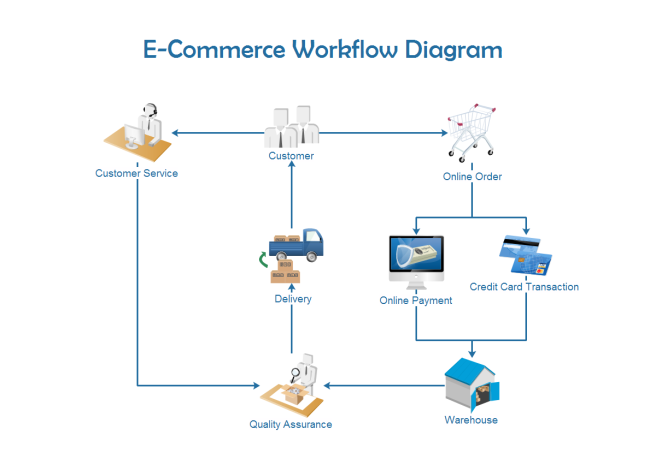
A smooth e-commerce workflow connects every part of your business, from marketing to shipping. Automation is the glue that holds everything together. Here’s how to build a better workflow:
Map Your Process: Write down every step, from a customer finding your product to receiving their order.
Use a simple flowchart or list. For example: Customer sees ad → visits product page → places order → payment processed → order packed → shipped → delivered → follow-up.
Include steps like customer service, returns, and feedback requests.
Find Bottlenecks: Look for steps that take too long or often have mistakes, like manual order checks.
Check where orders pile up, where errors happen, or where staff get confused.
For many Bangladeshi stores, manual stock updates and slow shipping are common bottlenecks.
Pick the Right Tools: Choose automation software that fits your needs and works with your existing platforms (like WooCommerce, Shopify, or Daraz).
Not all tools work with every website or payment system. Check for integrations.
Look for local support or Bangla-language help if possible.
Test and Improve: Start small—automate one step, test it, and then add more. This reduces risk and helps you learn.
For example, automate order confirmation first. After a week, add automated shipping labels.
Collect feedback from staff and customers to make improvements.
Example Workflow:
Customer clicks an ad and lands on your automated landing page.
They buy a product; the order is confirmed by email.
Inventory updates automatically.
Shipping label prints, and the order is sent.
Accounting software records the sale.
Marketing automation follows up with a thank-you email and a special offer.
Advanced Example: An online grocery store in Dhaka mapped their process and found manual stock updates caused daily delays. By automating stock updates and linking to their warehouse, they reduced order processing times from 3 hours to 30 minutes daily.
Automating too much, too fast: Start with high-impact areas. Don’t try to automate everything at once.
If you automate too many things at once, you may face technical issues or confuse your staff.
Test each automation to make sure it works as expected.
Ignoring staff training: Teach your team how to use automation tools.
Staff need to know what’s automated and what needs manual attention.
Training also prevents mistakes and builds trust in the system.
Not testing: Always test new automations before using them with real customers.
Test emails, order processing, and shipping labels to make sure they work in real situations.
Check for language errors—many tools send default English emails, which may confuse Bangla-speaking customers.
Non-Obvious Insight: Don’t ignore customer feedback. Sometimes automation can feel robotic. Make sure your messages are friendly and match your brand.
If you want your online store to grow, automation is essential. Here’s how to build a business that can handle more orders without more work:
Standardize Processes: Create clear rules for how orders, returns, and customer service are handled.
Write simple instructions for your team.
Use checklists to avoid missing steps, especially during busy times.
Integrate Systems: Use tools that connect your website, inventory, shipping, and accounting.
Integration means less manual work and fewer mistakes.
For example, when an order is placed, it updates stock, triggers shipping, and records in accounting—all automatically.
Monitor Performance: Automation gives you real-time data, so you can track what’s working and fix problems fast.
Use dashboards to see sales, inventory, and customer service issues at a glance.
Set up alerts for low stock, slow orders, or negative reviews.
Plan for Growth: As your business grows, add more automation for things like bulk marketing, multi-channel sales, and advanced analytics.
For example, automate order syncing across Daraz, your website, and Facebook Shop.
Use advanced analytics to see which products sell best and plan new launches.
Advanced Tip: Use automation to test new products quickly. For example, set up a landing page and automated ads, then see how customers respond before buying large inventory.
Non-Obvious Insight: Automate supplier communication. When inventory is low, your system can send reorder requests to your suppliers, reducing the risk of stockouts.
Practical Example: A fashion retailer in Dhaka integrated their suppliers into their automation. When a product drops below 10 units, the system sends an order to the supplier, reducing out-of-stock problems by 80%.
To see the difference, here’s a clear comparison:
|
Task |
Manual Process |
Automated Process |
|---|---|---|
|
Order Confirmation |
Owner checks payment and sends email |
System sends email instantly after payment |
|
Inventory Update |
Staff updates stock daily |
Software updates inventory in real-time |
|
Shipping Label |
Labels created one by one |
Batch labels printed automatically |
|
Sales Reporting |
Manual data entry to spreadsheets |
Automatic report generation |
|
Customer Follow-up |
Send emails individually |
Automated sequence for each customer |
As shown, automation not only saves time but also makes your business more reliable and scalable.
Detailed Example: Suppose you run a store that receives 50 orders a day. With manual processing, you may spend 4 hours on order confirmation, 2 hours on inventory updates, and 1 hour on follow-ups. With automation, you can reduce this to less than 1 hour in total, freeing up 6 hours daily for growth activities.
Non-Obvious Insight: Manual processes often lead to burnout, high staff turnover, and mistakes during busy periods (like Eid sales). Automation prevents these by keeping work steady and reliable, even during peak times.
Amazon and Walmart are global leaders in e-commerce automation. Many sellers on these platforms use automation to manage thousands of products and orders.
Amazon Automation: Tools can sync your inventory across marketplaces, adjust prices based on competition, and auto-fulfill orders. Amazon’s own FBA (Fulfillment by Amazon) handles storage, packing, and shipping for you.
You can set rules for price changes based on competitor pricing.
Automated review requests and customer messages save hours of manual work.
FBA automatically updates your stock and sends tracking info to customers.
Walmart Automation: Similar services help sellers manage listings, track orders, and optimize prices. Integration tools connect your store directly to Walmart’s systems.
Bulk product uploads and inventory sync reduce the risk of overselling.
Automated order routing helps you ship from the nearest warehouse or store.
If you want to sell on Amazon or Walmart from Bangladesh, automation is a must for success. It helps you meet strict delivery times, manage customer service, and grow your store globally.
Non-Obvious Insight: Automation for Amazon and Walmart often includes auto-repricing—adjusting your prices in real-time to stay competitive without manual effort.
Advanced Example: A Bangladeshi electronics exporter uses Amazon’s automation tools to manage inventory across the US, UK, and UAE. The system updates prices daily based on exchange rates, demand, and competitor prices, keeping the seller profitable and competitive worldwide.
Tip: For Bangladeshi sellers, integrating with Amazon FBA or Walmart’s fulfillment services can help you offer faster international shipping and better customer support.
There are many tools available, but choosing the right ones is crucial for your success.
|
Area |
Popular Tools |
Main Benefit |
|---|---|---|
|
Marketing |
Mailchimp, Klaviyo, HubSpot |
Automated emails and customer segmentation |
|
Order Management |
Shopify, WooCommerce, Daraz Seller Center |
Seamless order processing and tracking |
|
Shipping |
EasyShip, Shiprocket, Pathao Courier |
Batch label printing and courier selection |
|
Accounting |
QuickBooks, Xero, Wave |
Automatic sales and tax recording |
|
Inventory |
TradeGecko, Zoho Inventory, Bizmation |
Real-time stock updates and alerts |
Tip for Beginners: Start with tools that integrate well with your current platform, and expand as your business grows.
Detailed Guidance:
If you sell on Daraz, use their Seller Center for order automation, but link it with your own inventory tool for better stock management.
For Shopify or WooCommerce, choose apps with good reviews and active local support.
For local delivery, check if your shipping tool supports Pathao, Paperfly, or Sundarban Courier. This makes returns and tracking easier.
Non-Obvious Insight: Some Bangladeshi entrepreneurs use Zapier to connect different tools. For example, when a new order is received, Zapier can send a message to your WhatsApp group or Slack channel, so your team acts quickly.
Ready to get started? Here’s a clear path you can follow:
Analyze Your Current Workflow: Write down each step, from product listing to delivery.
Break big steps into smaller tasks (e.g., “Order Processing” includes payment check, stock check, and shipment).
Set Automation Goals: Decide what you want to achieve—fewer errors, faster shipping, more sales.
Set measurable targets, like “reduce order errors by 50%” or “save 10 hours per week.”
Choose Your Tools: Pick software that fits your platform (Shopify, WooCommerce, Daraz, etc. ).
Check for local language support if your team is more comfortable in Bangla.
Automate Simple Tasks First: Start with order confirmations, inventory updates, and basic marketing emails.
For example, set up automatic thank-you emails and abandoned cart reminders.
Train Your Team: Make sure everyone knows how to use new tools.
Create short videos or guides if possible.
Measure Results: Track time saved, fewer errors, and increased sales.
Use before-and-after comparisons to see the real impact.
Expand Automation: Add more advanced automations as you grow.
For example, add automated reordering, bulk marketing campaigns, or advanced analytics.
Pro Insight: Even small automations, like sending thank-you emails after a sale, can increase repeat business by up to 30%.
Example: A fashion store in Chittagong started with automated order confirmation and shipping updates. After seeing customer satisfaction rise, they added automated marketing emails and saw a 25% increase in repeat purchases.
Non-Obvious Insight: Don’t forget mobile compatibility. Many Bangladeshi business owners manage stores from their phones. Choose tools with good mobile apps.
If you want to make automation easy, Bizmation (bizmation.io) is a top choice in Bangladesh. Bizmation offers smart, simple, and powerful solutions for e-commerce owners. Here’s what makes them stand out:
Inventory Management: Bizmation’s system updates your stock in real time and sends alerts when levels are low.
This avoids lost sales from stockouts and stops you from over-ordering slow items.
Fraud Order Filtering: Advanced tools check every order for signs of fraud, so you avoid costly chargebacks.
Especially important for high-value electronics, where fake orders can cost you thousands.
One-Click Landing Pages: Create beautiful, high-converting landing pages without any coding skills.
Useful for special promotions, new product launches, or quick A/B tests.
Order Processing: Orders are automatically confirmed, updated, and tracked.
You can see order status in real time, even from your phone.
Easy Integration: Works with popular platforms like Shopify, WooCommerce, and local marketplaces.
This means you don’t have to rebuild your store to use Bizmation.
Professional Support: Bizmation’s team helps you set up, train your staff, and solve any issues.
Local support and Bangla-language help make onboarding smooth.
Expert Insight: Many Bangladeshi businesses struggle with cash flow because of poor inventory tracking. Bizmation’s real-time management helps you avoid stockouts and over-ordering.
Example: A home appliances seller in Dhaka used Bizmation’s automated inventory alerts to avoid running out of top-selling products during the Eid rush. Sales increased by 30% because they never missed a sale due to stockouts.
To learn more about leading automation solutions, visit Bizmation.

Let’s look at some numbers:
Businesses that automate key operations report 30-50% faster order processing.
Automated email campaigns can increase sales by up to 20%.
Real-time inventory management can reduce stockouts by 70%.
Automated fraud checks can cut chargebacks by over 80%.
These results are not just for big brands. Even small and medium Bangladeshi stores can enjoy these benefits.
Detailed Data:
A 2023 survey of 200 Bangladeshi e-commerce stores found that those using automation processed orders 42% faster than those who did not.
Stores with automated follow-up emails reported 25% more repeat customers.
Automated inventory tracking reduced “out of stock” errors by 68% on average.
Non-Obvious Insight: Automation not only saves money but also increases your business’s value. If you want to sell your business later, buyers pay more for stores with reliable, automated systems.
Bangladesh has its own unique e-commerce challenges, like cash-on-delivery payments, logistics delays, and changing customer preferences. Automation can help:
Cash-on-Delivery: Use automation to confirm COD orders by SMS or phone before shipping, reducing fake orders.
You can set rules to cancel orders if the customer doesn’t confirm within a set time.
Automated reminders reduce delivery failures and wasted shipping costs.
Local Couriers: Integrate with popular couriers (like Pathao and Paperfly) for automatic label printing and tracking.
This speeds up order processing and keeps customers informed.
You can also track which couriers deliver fastest to different regions.
Multilingual Support: Set up automated customer messages in Bangla and English for better service.
Many automation tools allow custom templates, so your messages sound natural and friendly.
Hidden Benefit: Automation can also help you collect data on your customers’ buying habits, so you can create better offers and improve your products.
Non-Obvious Insight: Automate special offers for local festivals or holidays. For example, set up automated promotions for Pohela Boishakh or Eid, so you never miss a sales opportunity.
Example: A fashion retailer in Sylhet used automation to send Pohela Boishakh discount codes to past customers. Sales doubled during the festival week without extra marketing effort.
E-commerce automation is using software and smart tools to do tasks in your online store that you would normally do by hand. For example, it can automatically send order confirmations, update inventory, and process refunds. The system follows your rules, so things happen faster and with fewer mistakes.
Automation works by connecting your store, payment, shipping, and marketing systems. Once set up, it handles routine tasks based on triggers—for example, sending an email when an order is placed, or updating your stock when a sale happens. This reduces manual work and keeps your business running smoothly, even when you are away.

Automation saves you time, reduces human errors, and helps you serve more customers without hiring extra staff. It also helps with unique local challenges, like handling cash-on-delivery or integrating with local couriers for fast delivery.
With automation, you can:
Process more orders during busy periods (like Eid sales) without extra stress.
Reduce fake orders by confirming COD purchases automatically.
Send customers updates and tracking information in real time.
Collect data on top-selling products and customer habits to improve your business.
Common mistakes include trying to automate everything at once, not training your team, and skipping regular testing. It’s best to start with the most important tasks and expand slowly.
Other mistakes to avoid:
Using tools that don’t integrate with your website or payment system.
Not customizing automated messages (for example, using only English when many customers prefer Bangla).
Ignoring customer feedback or complaints about automated emails or processes.
Many automation tools offer affordable plans, and the time and money you save often covers the cost. Some solutions, like Bizmation, are designed for small and medium businesses in Bangladesh.
Some tools are even free for basic features, so you can try before you buy.
As your business grows, you can upgrade to advanced features.
Automation also reduces the need to hire extra staff, saving on salary costs.
Start by looking at what you need most—like inventory management or order processing. Choose a platform that integrates with your website and supports local payment and delivery options. Bizmation is a great choice for Bangladeshi stores because it’s built for local needs.
Check user reviews and ask other local business owners for recommendations.
Make sure the tool offers training and support in Bangla if needed.
Test the platform with a few tasks before using it for your whole business.
---
Automating your e-commerce business is no longer just for big companies. With the right tools and smart planning, online business owners in Bangladesh can enjoy more sales, happier customers, and less stress. Whether you sell on your own website, on Amazon, or through local marketplaces, automation is the key to faster growth and greater success.
Ready to grow smarter? Let Bizmation help you automate your e-commerce workflow so you can focus on what matters most—building your business and serving your customers. Start your journey toward a fully automated, profitable online store today.