
In Bangladesh, the world of e-commerce is growing at a record speed. More people are shopping online, and businesses are competing to capture their attention. As the market gets bigger, so does the daily workload. Handling orders, updating stock, sending marketing emails, arranging shipping, and keeping accounts—all these tasks can become overwhelming. Here, e-commerce automation comes as a powerful solution. It uses technology to handle repetitive tasks, making your online business run smoother, faster, and smarter.
For business owners in Bangladesh, embracing automation is no longer just an option. It’s the difference between running a tiring, manual operation and building a profitable, scalable business that can compete with global giants like Amazon and Walmart. If you dream of a fully automated ecommerce business—where sales, marketing, order processing, and shipping happen with minimal manual effort—this guide is for you.
But automation isn’t just about saving time. It’s about giving your customers better service, reducing costly mistakes, and making your brand stand out in a crowded marketplace. In Bangladesh, where online shoppers are demanding faster delivery, easier payment options, and better communication, automation can help you meet and even exceed their expectations.
Let’s explore how automation can transform your e-commerce workflow, boost your profits, and help you build a business that’s ready for the future.
E-commerce automation means using software and technology to complete business tasks without manual effort. Instead of doing everything yourself, you let technology handle routine jobs. For example, when a customer places an order, your system can automatically update inventory, send a confirmation email, create a shipping label, and even record the sale in your accounts—all without you touching a single button.
Automation tools don’t just work in the background. They connect your website, your payment systems, your delivery partners, and even your marketing platforms. This creates a seamless experience for both you and your customers. For Bangladeshi businesses, this could mean integrating with local payment gateways like bKash and Nagad, or connecting directly to popular couriers like Pathao and Sundarban.
The main goal of e-commerce automation is to save time, reduce mistakes, and let you focus on growing your business instead of getting stuck in daily tasks. Imagine having more hours in your day to plan, create new products, or expand your brand, while your store keeps running smoothly.
Order Processing: Automatically confirm orders, notify customers, and update inventory.
Inventory Management: Track stock levels and reorder products when needed.
Marketing: Send personalized emails, run social media ads, and follow up with customers.
Shipping: Generate shipping labels and share tracking information.
Accounting: Record sales, generate invoices, and keep your books up to date.
Customer Support: Respond to common questions with chatbots or automated messages.
Let’s look at each one more closely:
Order Processing: When an order comes in, your system can instantly send a confirmation to the buyer, notify your warehouse, and update your product count. This is much faster than doing it by hand and customers love quick updates.
Inventory Management: Automation helps you avoid selling products that are out of stock. It can also alert you when you’re running low, so you can reorder before items run out.
Marketing: With automation, you can send the right message to the right customer at the right time. For example, if someone leaves without buying, you can automatically send them a special offer.
Shipping: Instead of filling out shipping forms one by one, your system can print labels and arrange pickups as soon as an order is ready. This shortens delivery times and keeps customers happy.
Accounting: Every sale, refund, or expense can be recorded automatically. This makes tax time less stressful and helps you see how your business is doing in real time.
Customer Support: Chatbots can handle common questions about delivery times, returns, and payment methods. This means fewer support requests for your team.
Each task you automate not only saves time but also reduces the chance of human error. A small mistake in inventory or accounting can cost you money, but automation helps avoid these problems.
Suppose you run a store selling electronics. If someone orders a mobile phone:
The system reduces the phone’s stock by one.
It sends the buyer a message confirming the order and sharing delivery details.
At the same time, it creates a shipping label for the courier.
If you use accounting software, it also logs the sale for future reports.
If the buyer used bKash, the payment is recorded automatically.
Now imagine you’re running a busy sale during Eid. Instead of manually checking hundreds of orders, automation keeps everything on track. You can focus on helping customers or launching new products, not on paperwork.
There are many reasons why business owners in Bangladesh are switching to automated e-commerce systems. Let’s look at some of the biggest benefits:
Manual work takes up hours every day. By automating tasks like order processing and inventory updates, you free up time to focus on strategy, product development, or simply enjoy more personal time.
For example, if you spend two hours a day checking orders and updating stock, automation can cut this to just a few minutes. Over a month, that’s 60 hours saved—time you can use to grow your business, learn new skills, or rest.
Human mistakes are common—wrong shipments, incorrect stock levels, or missed orders. Automation ensures tasks are done exactly the same way every time, leading to fewer errors.
In Bangladesh, where many small businesses still use paper or simple spreadsheets, errors can be costly. Sending the wrong product or forgetting an order can damage your reputation. Automated systems don’t get tired or distracted, so your records stay accurate.
Automation helps you serve more customers with the same team or even alone. You can run sales campaigns, handle busy periods, and scale up without hiring more staff. Lower costs and higher efficiency mean better profits.
Let’s say you sell 100 products a day. If you had to hire someone to process every order, costs would rise quickly. With automation, you can sell 500 or 1,000 products a day with almost the same effort.
Fast order confirmation, accurate shipping, and prompt support make customers happy. Automation delivers a smoother experience, increasing the chance they return and recommend your store.
In Bangladesh, many customers are new to online shopping. They want quick updates and clear communication. Automated SMS or emails reassure them their order is safe and on its way.
With automation, your business can grow quickly. Whether you have 10 or 10,000 orders, automated systems can handle the load. You don’t need to hire big teams as your store expands.
This is especially important during festivals or special sales. Automation helps you handle sudden spikes without delays or mistakes.
Automation tools give you up-to-date information about sales, inventory, and customer behavior. This helps you make better business decisions, spot trends early, and react faster.
For instance, if a product is selling faster than usual, you can restock quickly. Or if sales drop, you can launch a new marketing campaign right away.
Proper record-keeping is essential for taxes and audits. Automated accounting and reporting keep your business organized and reduce the risk of legal issues.
Many Bangladeshi businesses struggle with VAT or income tax rules. Automation helps you generate correct invoices and reports, making compliance much easier.
Doing repetitive tasks all day can tire your team and lead to mistakes. Automation takes care of the boring work, so your staff can focus on customer service, product development, or marketing.
A Dhaka-based clothing store saw a 30% drop in order mistakes after automating its order and shipping processes. A small electronics shop in Chittagong doubled its daily sales during Ramadan without hiring extra staff, simply by using automation tools for marketing and order management.
To build a truly automated ecommerce business, you need to automate different parts of your workflow. Let’s break down the main areas:
Marketing is the heart of every online store. But sending emails, posting on social media, and running ads manually can be exhausting. Marketing automation helps you reach the right customer with the right message at the right time.
Automated marketing isn’t just about sending emails. It’s about building customer relationships without doing everything yourself. For Bangladeshi stores, this could mean sending offers in Bangla, using SMS for customers without email, or targeting ads to people in Dhaka or Chittagong.
Email Campaigns: Set up automated welcome emails, abandoned cart reminders, and follow-up messages after purchases.
Personalization: Send product recommendations based on customer browsing or purchase history.
Social Media Posting: Schedule posts to Facebook, Instagram, and other platforms ahead of time.
Customer Segmentation: Automatically group customers by behavior, location, or spending habits.
Ad Retargeting: Show ads to visitors who left your site without buying.
Imagine 100 people add items to their cart, but only 40 complete the purchase. With automation, you can send a reminder email to the remaining 60. Even if just 10 people return and buy, you’ve increased your sales without extra manual effort.
In Bangladesh, where many shoppers are still new to online buying, an SMS or WhatsApp message can also remind them to complete their purchase. Automated systems let you send these reminders without lifting a finger.
Personalized marketing isn’t just a Western trend. Bangladeshi customers appreciate seeing products relevant to their interests or previous purchases. For example, if a customer bought a sari last month, you can automatically send them offers on matching blouses or jewelry.
Social media is huge in Bangladesh. Facebook shops, Instagram posts, and WhatsApp groups drive a lot of sales. Automation tools let you plan your posts, run ads, and reply to common messages automatically. This keeps your brand active and engaging even when you’re busy.
Mailchimp
Klaviyo
HubSpot
ActiveCampaign
These platforms integrate with most e-commerce stores and offer ready-made templates for Bangladeshi business owners. Many also support SMS, WhatsApp, or Messenger marketing, which are widely used in Bangladesh.
Non-obvious insight: Many Bangladeshi businesses still rely on manual Facebook posts or basic SMS blasts. By using marketing automation, you can track which campaigns work best, adjust your messages, and reach more people with less effort.
Order management is a key part of running an online store. If you process orders manually, you can quickly get overwhelmed, especially during sales or special events.
Auto-Confirm Orders: Instantly confirm new orders and update customers.
Inventory Updates: Reduce stock levels automatically when an order is placed.
Fraud Checking: Flag suspicious orders for review before shipping.
Order Routing: Direct orders to the right warehouse or supplier.
Order automation can also split orders between multiple warehouses, choose the fastest shipping option, or prioritize express deliveries. This is helpful for businesses with multiple branches in cities like Dhaka, Chittagong, or Sylhet.
During Eid or Pohela Boishakh, order volumes can spike. Automated systems make sure each order is processed, customers get updates, and you don’t miss or double-ship anything.
Let’s say you get 500 orders in one day. An automated system can:
Confirm every order within seconds.
Send inventory updates to your suppliers if you’re running low.
Flag duplicate or suspicious orders for review.
Generate shipping labels and notify your courier.
You don’t need a big team to keep up, and your customers get a better experience.
Shopify Order Management
WooCommerce Automations
Magento Order Processing
Bizmation’s Order Automation Suite
These platforms support local payment methods and can be integrated with Bangladeshi couriers for seamless order processing.
Non-obvious insight: Many small businesses worry that automation is “too advanced” for them. In reality, even simple automation—like automatic order confirmation—can save hours every week and reduce mistakes.
Getting products to customers quickly and accurately is essential. Manual shipping processes can cause delays and mistakes.
Shipping automation not only speeds up deliveries but also gives customers better visibility. In Bangladesh, where traffic and logistics can cause unexpected delays, automated tracking and notifications help manage customer expectations.
Label Creation: Generate and print shipping labels automatically.
Carrier Integration: Connect with local couriers like Pathao, eCourier, Sundarban, or international services.
Tracking Updates: Send customers automatic tracking emails or SMS.
Shipping Rate Calculation: Show real-time shipping costs to customers during checkout.
If your system is linked to Pathao Courier, every order triggers label printing and sends a pickup request automatically. Customers get tracking details instantly, improving trust and satisfaction.
For international shipping, automation can select the best courier based on price and delivery speed, print customs forms, and update tracking automatically on your website.
ShipRocket
Easyship
AfterShip
Bizmation Shipping Automation
These tools offer dashboards where you can track all orders, check delivery status, and solve problems quickly.
Non-obvious insight: Some Bangladeshi couriers offer APIs (software connections) but many stores don’t use them. By connecting your store directly to the courier, you can speed up fulfillment and reduce manual data entry mistakes.
Accounting is often the most stressful part of running a business. Manual data entry leads to errors, missed invoices, and late tax filings.
Automated accounting helps you avoid common mistakes, keep your records organized, and meet local tax requirements. This is especially helpful in Bangladesh, where VAT and income tax rules can be confusing.
Sales Recording: Every order is logged instantly in your accounting software.
Invoice Generation: Customers receive automatic invoices by email.
Expense Tracking: Record supplier payments and other costs automatically.
Tax Calculations: Calculate VAT and other taxes based on current rules.
At the end of the month, your system can generate tax reports ready for submission—no more late nights with spreadsheets.
For example, if you sell on multiple channels (website, Facebook, Daraz), automation can combine all sales and expenses into a single report, making it easy to file taxes or prepare for audits.
QuickBooks Online
Xero
Zoho Books
Bizmation Accounting Solutions
Most of these tools support multi-currency, VAT, and local bank integrations, making them suitable for Bangladeshi businesses.
Non-obvious insight: Many small business owners only think about accounting at tax time. Automating your accounts means you always know your cash flow, profit, and tax liabilities. This can help you avoid sudden cash shortages or tax surprises.
Building a scalable, automated ecommerce business is not just about buying software. It’s about understanding your workflow, choosing the right tools, and connecting them in a way that matches your business needs in Bangladesh.
Map Your Processes: Write down every step from order to delivery. Identify repetitive tasks.
Choose Compatible Tools: Pick automation software that works with your e-commerce platform (Shopify, WooCommerce, Magento, etc. ).
Integrate Everything: Connect your store, inventory, shipping, and accounting systems.
Test Automation Flows: Run test orders to check if everything works—from order confirmation to shipping and accounting.
Monitor and Improve: Use real-time dashboards to track performance. Fix problems and adjust settings as needed.
Here’s how you might approach each step:
1. Map Your Processes: Start by listing all the tasks you do each day or week. For example:
Receive orders
Confirm payment
Update inventory
Create shipping labels
Notify couriers
Send order updates to customers
Record sales in your accounts
2. Choose Compatible Tools: If you sell on Shopify, look for automation apps that work with Shopify. If you use WooCommerce, check plugin compatibility with your payment and shipping providers.
3. Integrate Everything: Integration means your systems can “talk” to each other. For example, when an order is placed, your inventory and accounts are updated without manual work.
4. Test Automation Flows: Place test orders to make sure emails, inventory, shipping, and accounts update as expected. Fix any issues before going live.
5. Monitor and Improve: Use dashboards to see where orders are delayed, which emails are opened, or when stock is running low. Adjust your automation rules as your business changes.
Over-automation: Don’t automate every single process. Some tasks need a human touch (like customer complaints).
Poor Integration: Tools that don’t “talk” to each other can cause more problems. Use systems with strong integrations.
Ignoring Local Needs: Make sure your automation solutions support Bangladeshi payment gateways, couriers, and tax rules.
No Backups: Always keep manual backups or export data regularly in case of system failures.
Extra tip: Many businesses forget to train their staff when switching to automation. Make sure your team knows how to use new tools and what to do if something goes wrong.
Automate for Your Size: Start small. You don’t need to automate everything on day one. Begin with the most time-consuming tasks.
Regularly Review Workflows: As your business grows, old automation rules may no longer fit. Review and update them every few months.
Mix Automation with Personalization: Automated emails can sound robotic. Add your brand voice or personal touch to keep customers engaged.
Another insight: Don’t forget about security. Automated systems handle sensitive customer data and payments. Use strong passwords, two-factor authentication, and trusted providers to protect your business.
Global giants like Amazon and Walmart are masters of automation. They process millions of orders every day with minimal human intervention. If you sell on Amazon or through Walmart’s marketplace, many tasks—such as order processing, shipping, and customer notifications—are handled automatically.
These companies set the standard for what customers expect: fast delivery, instant updates, and easy returns. By studying their systems, you can learn how to improve your own workflows.
When you use Amazon FBA (Fulfillment by Amazon), you send your products to Amazon’s warehouse. When someone buys, Amazon picks, packs, ships, and provides customer service. You only need to focus on stocking your products.
This is a powerful example of end-to-end automation. Amazon handles:
Inventory storage
Order picking and packing
Shipping and tracking
Customer service and returns
You can monitor everything from your dashboard and receive regular sales reports.
Walmart Marketplace offers similar features. You can automate listings, order management, and shipping using Walmart-approved software. This is especially useful for Bangladeshi sellers looking to expand globally.
Walmart’s systems can:
Sync your products across channels
Automatically adjust prices to stay competitive
Connect to approved shipping partners for fast delivery
Learning from these platforms helps you understand the power of automation. Even if your business is smaller, you can use similar tools and techniques to compete on a local or global level.
For example, by automating your own store’s shipping and customer communication, you can offer Amazon-like service—even if you’re just starting out.
Bangladeshi customers are becoming more demanding. They expect fast delivery, easy returns, and regular updates, just like they get from Amazon or Walmart. Automation helps you meet these expectations without needing a huge team or budget.
To help you choose, here is a comparison of popular platforms for automation:
|
Platform |
Best For |
Key Features |
Bangladesh Support |
|---|---|---|---|
|
Shopify |
All-in-one automation |
Order, inventory, marketing, shipping |
Yes (with local payment/courier plugins) |
|
WooCommerce |
Flexible, open-source |
Custom workflows, plugins, accounting |
Yes (with add-ons) |
|
Magento |
Large stores |
Advanced automation, multi-store |
Yes (with customization) |
|
Bizmation |
Local expertise |
Inventory, fraud filtering, landing pages |
Fully optimized for Bangladesh |
Each platform has its strengths. Shopify is easy to use and offers many automation apps. WooCommerce is flexible for those with technical skills. Magento is powerful for big businesses. Bizmation stands out for Bangladeshi stores, with local payment and courier support built in.
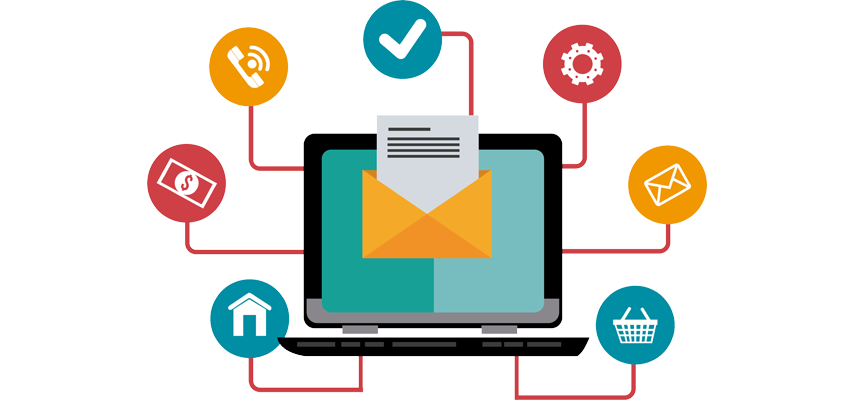
When it comes to local expertise and understanding the Bangladeshi market, Bizmation (bizmation.io) stands out. Bizmation combines global best practices with solutions tailored for local businesses.
Inventory Management: Track stock in real time, set reorder points, and avoid overselling.
Fraud Order Filtering: Automatically detect and hold suspicious orders, reducing the risk of losing money to scams.
One-Click Landing Pages: Create attractive, high-converting product pages without coding skills.
Full Integration: Bizmation connects your store, payment gateways, couriers, and accounting in one dashboard.
Local Support: Get help in Bangla or English, and solutions that fit Bangladesh’s unique needs.
Bizmation’s local focus means you don’t have to worry about complicated setups. Payment integration with bKash, Nagad, and Rocket is easy. Courier services like Pathao, eCourier, and Sundarban are built in. Customer support is available in your language, making onboarding and troubleshooting stress-free.
A fashion retailer in Dhaka uses Bizmation to manage thousands of SKUs. Orders from Facebook, website, and marketplaces are combined in one system. The software updates inventory, generates shipping labels, filters out risky orders, and sends sales data to accounting—all automatically.
This has allowed the retailer to:
Cut manual processing time by 80%
Reduce shipping mistakes
Quickly launch new products with automated landing pages
Focus on marketing and expansion, not paperwork
|
Feature |
Benefit |
|---|---|
|
Smart Inventory |
No more manual stock counts; avoid out-of-stock issues |
|
Order Fraud Filter |
Protects your revenue from fake or risky orders |
|
Landing Page Generator |
Launch new products quickly and capture more leads |
|
Courier Integration |
Faster shipping with automatic label creation |
|
Accounting Automation |
Easy VAT and tax reporting, ready for submission |
Supports Bkash/Nagad: Many global tools don’t support local payment gateways. Bizmation does.
Bangla Language Interface: Staff can manage the platform easily, reducing training time.
Local Courier Integration: Direct links to popular Bangladeshi delivery partners mean faster fulfillment and fewer errors.
Additional insight: Bizmation also helps with compliance. It can generate reports that meet local VAT and tax requirements, so you’re always ready for audits or filings.
Scaling your business means growing without losing control or increasing costs too much. Automation is the secret weapon for scaling, but there are some important steps to follow:
Document your daily workflow. Make sure every task is done the same way, every time. This makes it easier to automate and train new team members.
For example, create written steps for:
How to process new orders
How to pack and ship products
How to handle returns
How to update stock
This ensures consistency and makes automation setup much smoother.
Switching systems later is hard and expensive. Choose tools that can scale as you grow. Look for platforms that support more orders, products, and users as your business expands.
If you plan to sell on more channels (like Daraz or Amazon), make sure your automation tools can handle these integrations.
Selling on your website, Facebook, Daraz, or Amazon? Use tools that combine all orders and inventory in one place. This avoids double-selling and missed orders.
For example, if you sell the last item on Facebook and don’t update your website, another customer might buy an out-of-stock product. Automation solves this problem.
Set up automated SMS or emails for order confirmation, shipping updates, and feedback requests. This keeps customers informed and reduces support questions.
You can even automate review requests after delivery, helping you collect more positive feedback and build trust.
Use dashboards and reports to track sales, inventory, and customer behavior. Automation tools often provide these in real time, so you can make quick decisions.
For instance, if one product is selling much faster, you can restock before it runs out.
During Eid or big sales, automation helps you handle a sudden rush of orders without extra staff. Set up special workflows for discounts, limited stock, or fast shipping.
You can also use automation to pause ads or limit purchases if stock runs low.
Use fraud detection, data backups, and secure payment integrations. Automation can help with all of these, lowering your risks as you grow.
Automated fraud filters can catch duplicate, suspicious, or high-risk orders before they ship.
Customer places order on website or Facebook.
Order automatically enters your system.
Inventory is updated and low-stock alerts are triggered.
Fraud filter checks the order.
Shipping label is created and courier notified.
Customer receives tracking info.
Sale is logged in your accounting system.
After delivery, customer gets automated feedback request.
This workflow can handle hundreds of orders a day, with very little manual work.
Automate supplier orders: When inventory runs low, your system can automatically email your supplier or generate a purchase order.
Multi-warehouse management: If you have warehouses in different cities, automation can route orders to the closest location for faster delivery.
Automated analytics: Set up alerts for sales trends, slow-moving products, or frequent returns so you can react fast.
Non-obvious insight: As you scale, review your automation rules every few months. What worked for 100 orders may not work for 10,000. Keep improving and updating your workflows.

A good ecommerce workflow is the backbone of a successful business. Here are some practical ways to improve it with automation:
Manual entry of orders, customer details, and payments is slow and error-prone. Use automation to capture this information directly from your sales channels.
For example, connect your Facebook shop or Daraz account to your main system, so all orders appear in one place.
Some tasks, like printing shipping labels, can be done in batches. Automation tools can group orders and process them together, saving time.
Instead of printing labels one by one, select 50 orders and print all labels at once. This is especially useful during peak periods.
Set up alerts for low stock, failed payments, or high-value orders. This lets you react quickly to problems before they become serious.
For example, get an SMS when a big order comes in or when a product is nearly out of stock.
Use chatbots or automated replies to answer common customer questions instantly. This reduces your support workload.
Set up quick replies for questions like “Where is my order? ” or “How do I return a product? ” Your team can focus on more complex issues.
Automate the returns process with pre-filled forms and instant notifications to your team. This improves customer trust and loyalty.
When a customer requests a return, your system can send them instructions, update your inventory, and trigger a refund automatically once the product is received.
Use automation to track delivery times, response rates, and customer satisfaction. Set goals and monitor progress over time.
For example, measure how quickly orders are shipped, how often customers contact support, or how many positive reviews you get each month.
A beauty products store in Chittagong receives orders from Facebook and its website. By using Bizmation, orders from both channels are combined, inventory is updated, and customers get instant notifications. The owner spends less than 30 minutes a day on routine tasks, focusing instead on growth and new product launches.
Another example: A mobile accessories seller in Sylhet uses automation to print all shipping labels at once, track deliveries, and automatically send customers feedback requests. This led to more positive reviews and higher sales.
Non-obvious insight: Many businesses forget to automate their returns process. By making returns easier, you build customer trust and encourage more people to buy.
Automation is not just a theory—it delivers real results. Here are some key statistics:
Businesses using marketing automation see a 14.5% increase in sales productivity (Source: Nucleus Research).
Automated order processing can cut order errors by up to 60%.
Stores with automated shipping see 30% faster delivery times.
Companies using accounting automation report up to 80% less time spent on bookkeeping.
For Bangladeshi businesses, these improvements mean better profits, happier customers, and faster growth.
Customer retention rates increase by 10–15% when automated personalized marketing is used.
Return rates decrease when customers receive automated delivery updates and have easy returns.
Inventory costs drop because automated alerts help you avoid overstocking or running out of products.
A Dhaka electronics shop grew from 30 to 200 orders a day using automated order, shipping, and accounting systems, without adding new staff.
A Chittagong shoe retailer reduced delivery delays by 50% after integrating with local couriers and automating label printing.
An online bookshop improved customer feedback scores by 40% after automating order confirmation and tracking updates.
Non-obvious insight: Automation doesn’t just help big companies. Small and medium Bangladeshi businesses are seeing huge benefits, from fewer mistakes to faster growth.
Ready to build an automated e-commerce store? Here’s a simple action plan for Bangladeshi online business owners:
List Your Daily Tasks: Identify what you do repeatedly.
Choose Local-Friendly Automation Tools: Make sure they support Bangladeshi payment gateways and couriers.
Start with One Area: Automate marketing or order management first.
Integrate Systems: Connect your store, inventory, shipping, and accounts.
Test and Train: Make sure your team understands the new systems.
Monitor Results: Use reports to track improvements and fix issues.
Expand Automation: Add more workflows as your business grows.
1. List Your Daily Tasks: Write down everything you or your staff do, from taking orders to updating Facebook.
2. Choose Tools: If you mostly sell on Facebook, look for a system that syncs with Facebook and supports bKash/Nagad. If you use WooCommerce or Shopify, find plugins for local couriers.
3. Start Small: Automate order confirmation or shipping first. Once you see the benefits, move on to accounting or marketing.
4. Connect Your Systems: Link your website, Facebook page, payment methods, and courier partners. This way, everything updates automatically.
5. Test and Train: Place test orders, check that emails and inventory update, and train your team on new processes.
6. Monitor and Fix: Use reports to spot problems, like missed orders or delayed shipments. Adjust your automation rules as needed.
7. Keep Growing: As your business expands, automate more areas—returns, supplier orders, analytics, and more.
Trying to automate everything at once. Start with your biggest pain points.
Ignoring local payment or courier integration. Choose tools that fit Bangladesh.
Not backing up data. Export your orders and customer lists regularly.
Forgetting to personalize automated messages. Always add your brand’s voice.
Remember, automation is a journey, not a one-time project. As your business evolves, keep improving your workflows and tools.
E-commerce automation uses software and technology to complete business tasks without manual work. For example, when a customer orders a product, the system can automatically update inventory, send confirmation emails, create shipping labels, and record the sale in your accounts. This saves time, reduces errors, and helps your business run smoothly.
Yes, automation is especially helpful for small businesses. It allows you to handle more orders, improve customer service, and focus on growth without hiring extra staff. Local-friendly tools like Bizmation make it easy for Bangladeshi businesses to get started.
Start with repetitive tasks like order processing, inventory management, marketing emails, and shipping label creation. These areas save the most time and reduce the risk of errors.
Look for platforms that support your store type (Shopify, WooCommerce, etc. ), integrate with Bangladeshi payment gateways and couriers, and offer local language support. Bizmation is a good choice for local businesses, while global platforms like Shopify and WooCommerce also work well with the right plugins.
Costs depend on your business size and needs. Many automation tools offer affordable plans or free trials. The time and money saved by reducing manual work usually make automation a smart investment for most online stores.
Absolutely. Automation enables faster order confirmation, real-time tracking, and personalized offers, which all contribute to a better customer experience. Customers appreciate quick updates and smooth service, leading to more repeat business.
Most modern automation tools are designed to be user-friendly, with simple dashboards and step-by-step guides. Local platforms like Bizmation offer support in Bangla and English, making setup even easier for non-technical users.
Automation tools are flexible and can scale with your business. You can add new features, connect more sales channels, or update workflows as your needs change. Regularly review your processes and update your automation rules to match your business goals.
Automating your e-commerce business in Bangladesh is the key to staying competitive, saving time, and growing your profits. Whether you’re just starting or ready to scale, tools like Bizmation provide smart, local solutions for every step of your workflow. Don’t let manual tasks slow you down—automate your ecommerce with Bizmation for smarter, faster growth.
For more information on global automation trends and tools, check out this Marketing Automation resource.