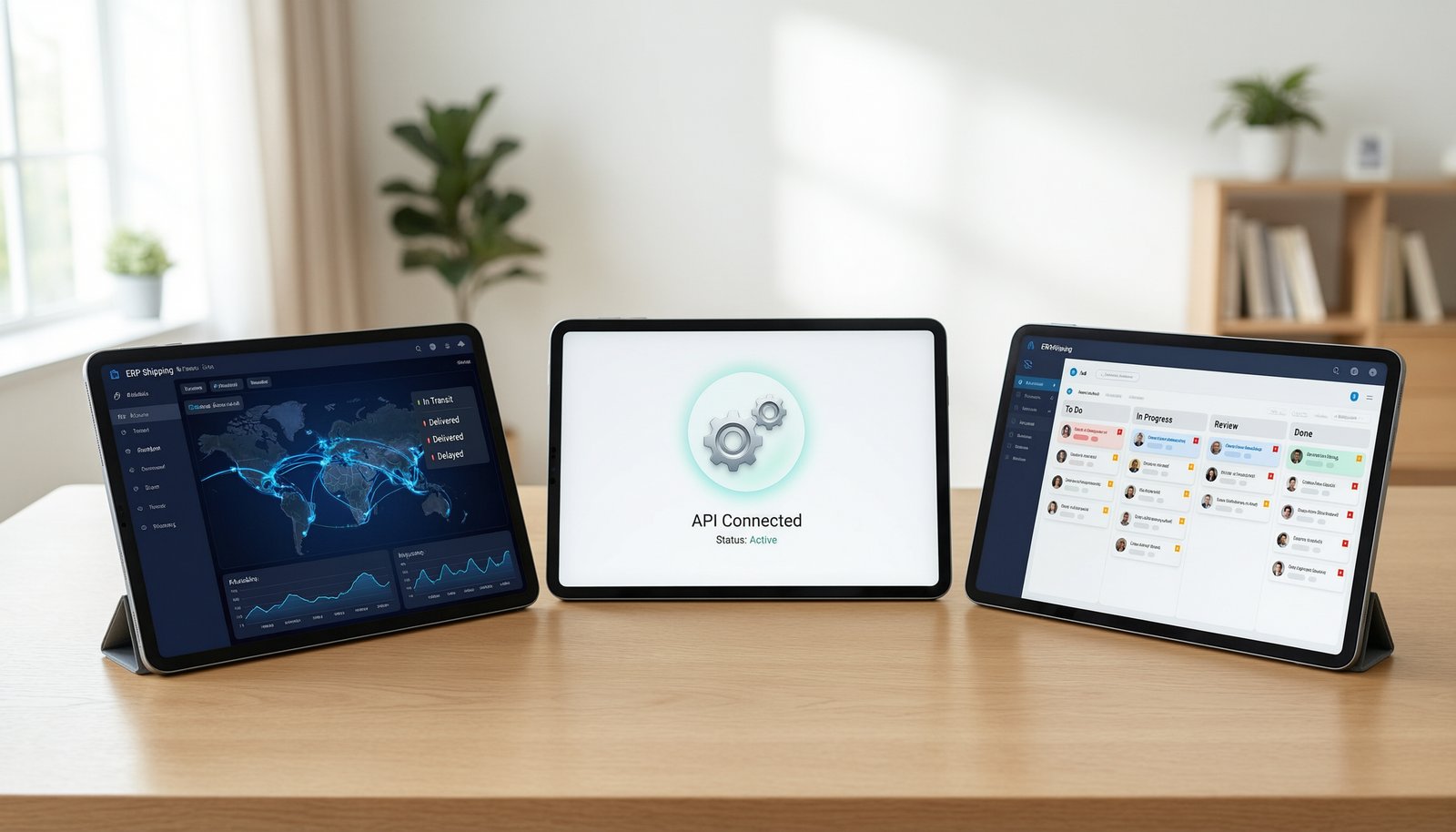
Hiring business process automation companies is the fastest way to replace manual data entry, disconnected spreadsheets, and repetitive office tasks with automated software workflows. Most organizations seek these providers when team members spend hours copying orders between sales channels and shipping systems. You can confirm your company needs this intervention by checking daily timesheets; if operational staff spend more than one third of their shift moving records between databases, system automation solves that bottleneck.
|
Cause |
How common |
How to confirm it |
Fix it yourself? |
|---|---|---|---|
|
Manual order entry delays |
Most common |
Check daily order backlogs against shipping cutoffs |
Yes, with care |
|
High delivery returns from fake orders |
Very common |
Count packages returned marked with invalid phone numbers |
Yes, with care |
|
Out-of-sync multi-warehouse stock counts |
Common |
Compare physical inventory against online store stock |
Yes, with care |
|
Broken financial audit records |
Fairly common |
Review end-of-month sales spreadsheets for formula mismatches |
Yes |
|
Human resources payroll calculation errors |
Occasional |
Audit monthly shift hours against manual punch logs |
Yes |
|
Custom server connection failures |
Rare |
Inspect server response latency using diagnostic network logs |
No |
Manual data entry happens when your online checkout doesn't communicate directly with your dispatch counter. When a customer buys goods online, staff often retype delivery names, phone numbers, and product codes into a courier portal. This manual loop creates typing errors, skips address lines, and delays outgoing deliveries.
To confirm this problem, time an employee processing a batch of ten orders. If completing those ten orders takes more than fifteen minutes, manual entry is choking business growth.
Resolving this requires setting up direct API webhook triggers between your store and your shipping provider. Modern platforms like BizMation automate order invoices and courier assignment immediately upon checkout. Configuring automated order routing usually takes three to five hours. The trade-off is clear: automation requires spending dedicated time on initial setup, but it permanently eliminates daily clerical bottlenecks.
A costly mistake managers make is purchasing expensive, complex enterprise suites before establishing standard sales forms. If your daily order volume is under twenty packages, automate tasks using basic software exports; if your volume exceeds fifty orders daily, invest in specialized workflow automation services in Bangladesh to handle high-volume processing.
High delivery return rates occur when automated checkout forms accept invalid contact details or malicious entries without verification. In online retail, customers sometimes place speculative orders using fake phone numbers, causing couriers to attempt delivery on goods that can't be accepted. This burns transport fees and locks physical inventory in transit for days.
You can tell this issue apart from general data entry delays because the customer records appear complete, yet deliveries consistently return marked as undeliverable. Confirm the source by reviewing return slips from your courier partner. If more than one in ten deliveries bounce due to an unreachable customer, your intake filters are failing.
The fix involves deploying software with built-in fraud detection modules. These tools check customer phone numbers against historic delivery refusal databases and flag duplicate IP addresses. Systems like BizMation flag fraudulent patterns instantly, allowing managers to manually review suspicious numbers before printing airway bills. This software check saves thousands in wasted delivery charges every single week.
Inventory discrepancies happen when a company sells goods across physical storefronts, website carts, and social media channels without a centralized database. When stock updates don't push to every sales point instantly, products sell out online while physical shelves sit empty, or businesses accept payments for goods already gone.
To confirm this issue, choose five fast-selling products and count the physical units on your warehouse shelves. Next, check your digital inventory numbers across your Point of Sale system and web portals. Any mismatch confirms your inventory tracking is fragmented.
The standard fix connects your warehouse scanner directly to a cloud management system using unified stock modules. BizMation integrates Point of Sale terminals with online catalogs on private, high-speed servers so stock updates occur in real time. Implementing a unified inventory module takes between two and four days of staff cataloging, depending on total catalog size. This level of automated tracking isn't for solo hobby sellers with fewer than ten product listings, as physical counts suffice there without extra software overhead.
Siloed department payroll records: Inconsistent staff attendance sheets cause month-end payroll errors, which you can confirm by comparing door logs against payroll sheets.
Corrupted customer pixel data: Broken ad tracking scripts record faulty website metrics, visible when store sales totals don't match your analytics dashboard.
Unmonitored server gateway timeouts: Slow server response speeds drop live checkouts, which requires consulting network administrators who follow performance guidelines from the National Institute of Standards and Technology for digital operational resilience.
Unsynchronized offline receipts: Manual paper receipts go unrecorded during field sales, confirmed by missing cash entries during evening drawer balances.
Fixing fragmented business operations demands dedicated setup time, system integrations, and reliable software tools. Simple automated spreadsheets take an afternoon to build, costing only standard computer access. In contrast, running comprehensive operational software that links point-of-sale hardware, ad pixel tracking, courier accounts, and staff attendance requires dedicated subscription platforms.
The overall investment depends heavily on your transaction volume, server hosting quality, and how many unique store branches connect to the network. Specialized enterprise setups represent a noticeable ongoing operating expense compared to basic retail software. However, they drastically cut losses from shipping failures and unbilled stock. To secure accurate rates for your enterprise, request itemized pricing directly from your vendor's sales department rather than relying on standard third-party estimates.
Yes, but dedicated servers perform far better. Shared hosting environments experience latency spikes during peak sales campaigns, while private host servers maintain sub-second response times, ensuring multi-channel inventory counts and automated courier tickets sync instantly without dropping customer checkout data.
Couriers charge for return transportation because physical vehicles still burn fuel and expend labor attempting delivery. Running pre-dispatch fraud verification tools filters out fake phone numbers before packages leave your warehouse floor, avoiding these return costs entirely.
Between two days and two weeks. Simple email alerts and automated invoice generation take less than forty-eight hours to activate, while multi-warehouse inventory linking, courier API integrations, and staff profile imports require roughly ten to fourteen days of testing.
Yes, provided attendance rules remain transparent. Automating staff punch clocks and leave requests cuts clerical errors entirely, though managers must audit the first two payroll cycles manually to ensure statutory allowances and tax rules match domestic labor regulations.
Unprocessed transactions queue up until system reconnection. If your courier connection fails, order data remains safely logged inside your automation dashboard, allowing staff to print air waybills manually until the automated data exchange resumes normal operation.
Yes, absolutely. Slow server loading delays warehouse barcoding, checkout payment validations, and instant courier dispatch assignments, creating operational bottlenecks during high-traffic promotional sales events.